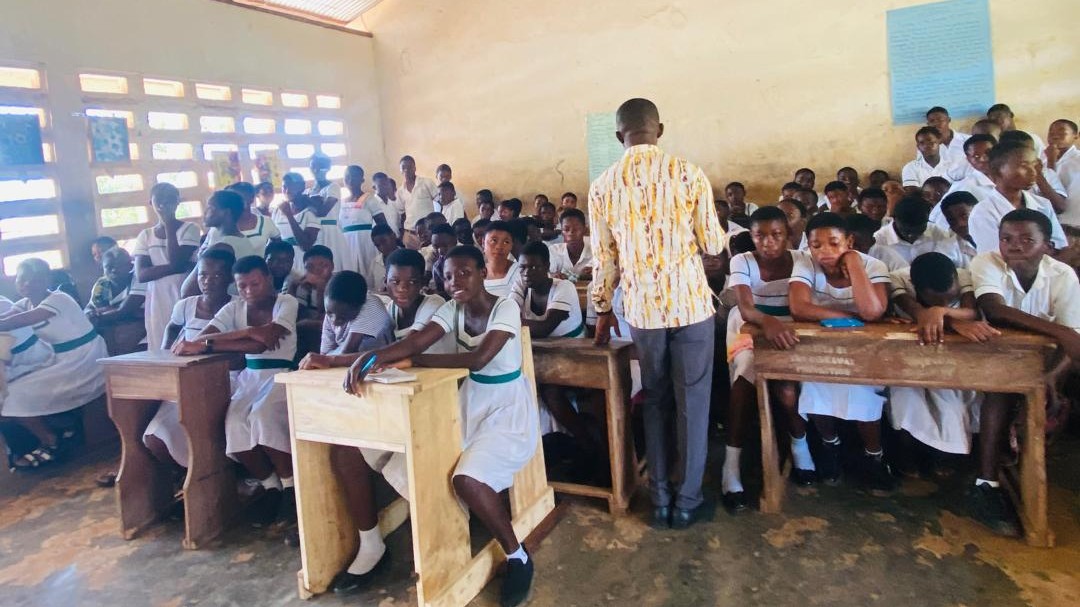
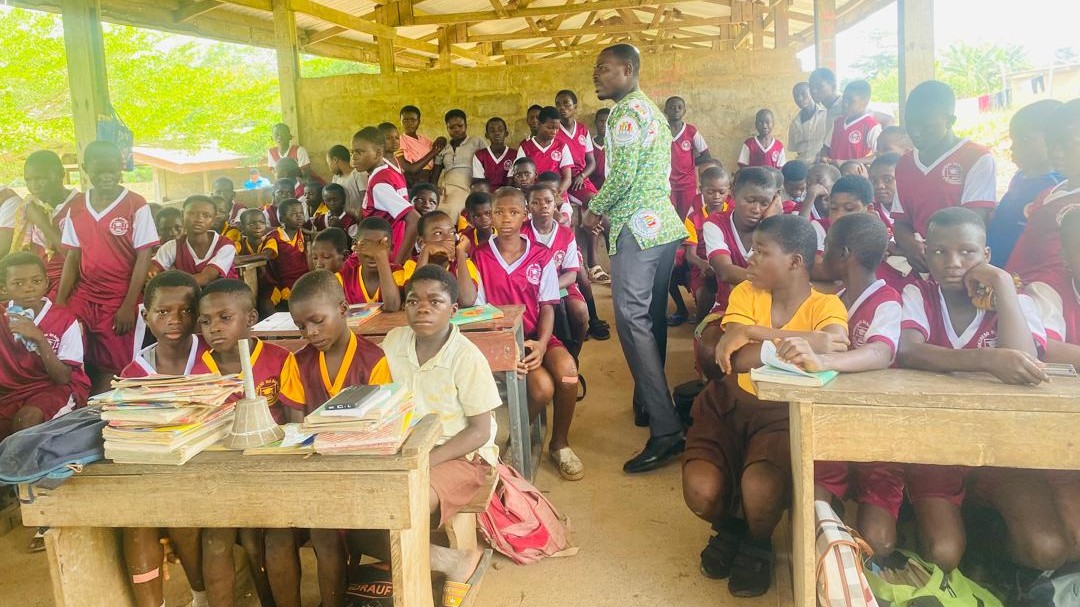
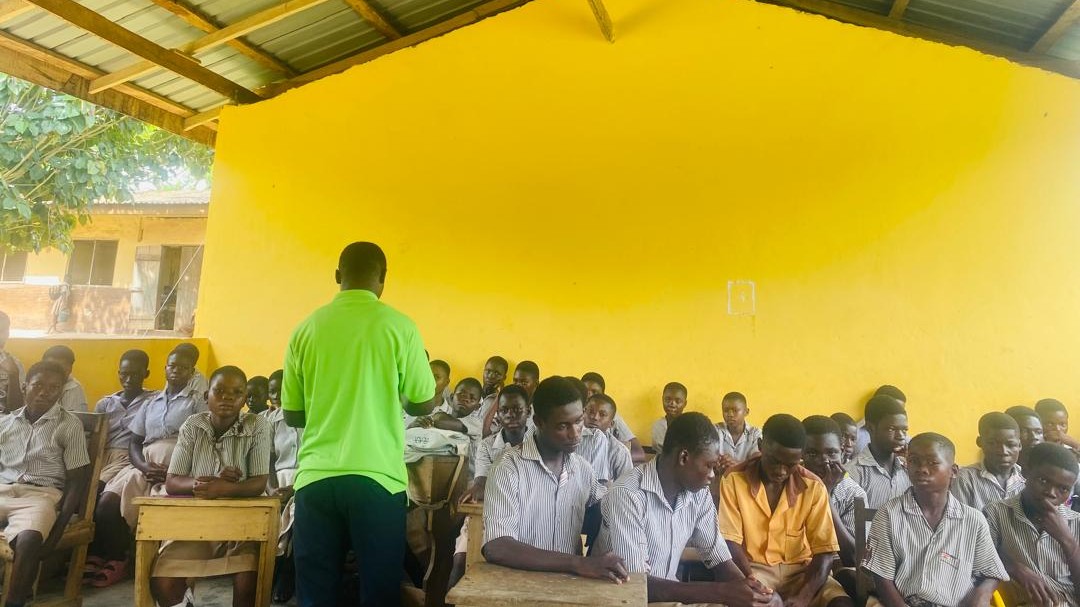
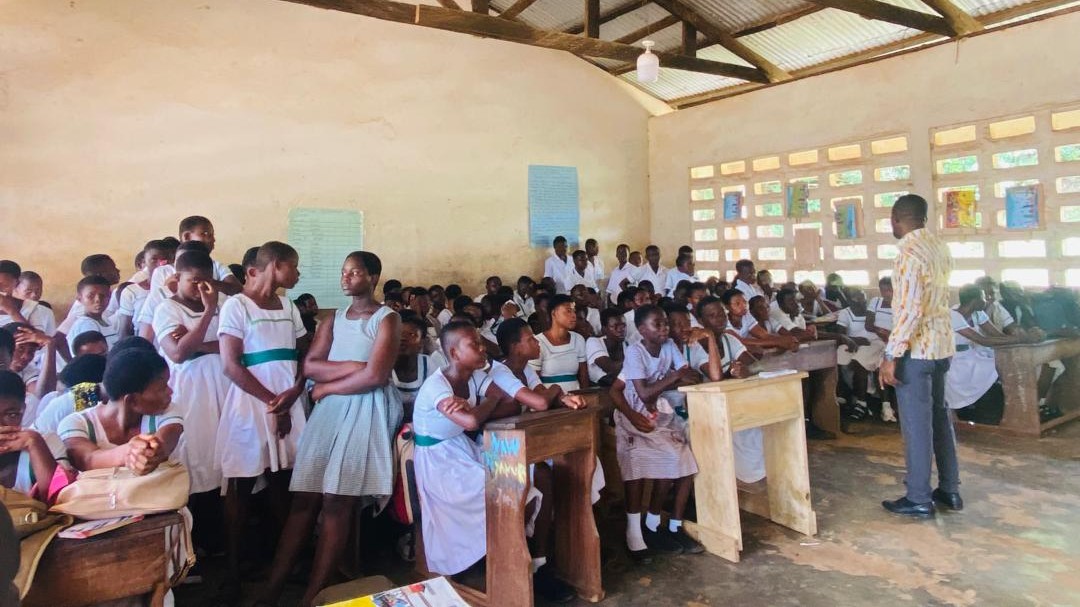
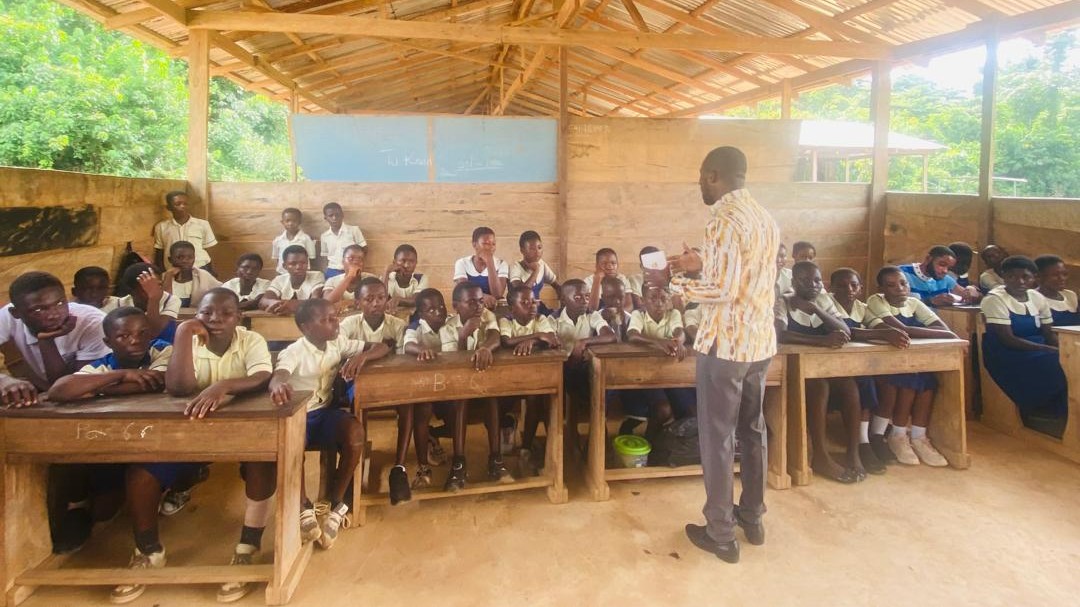
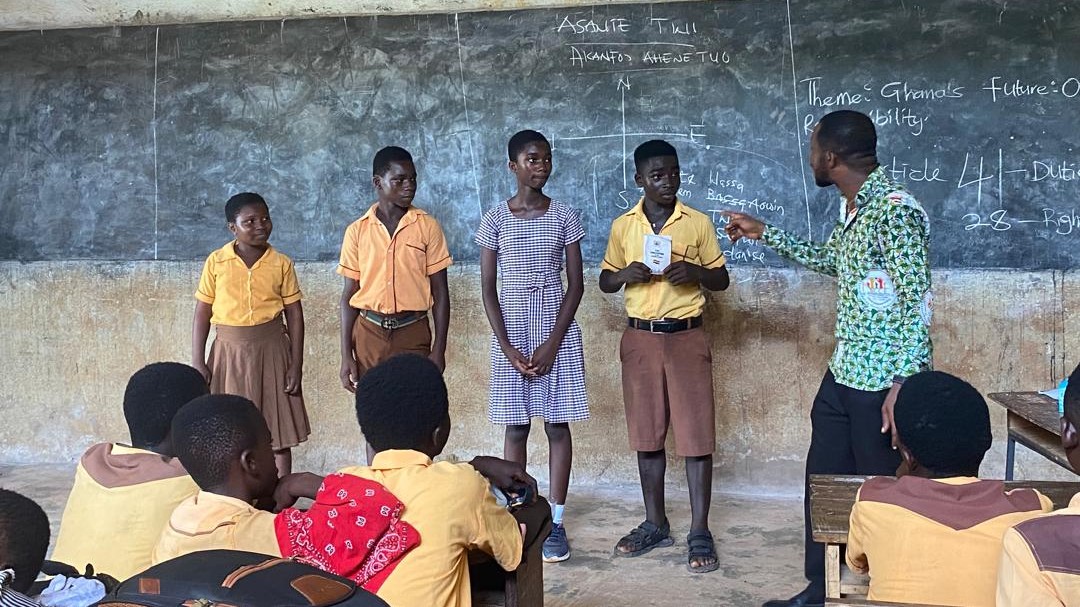
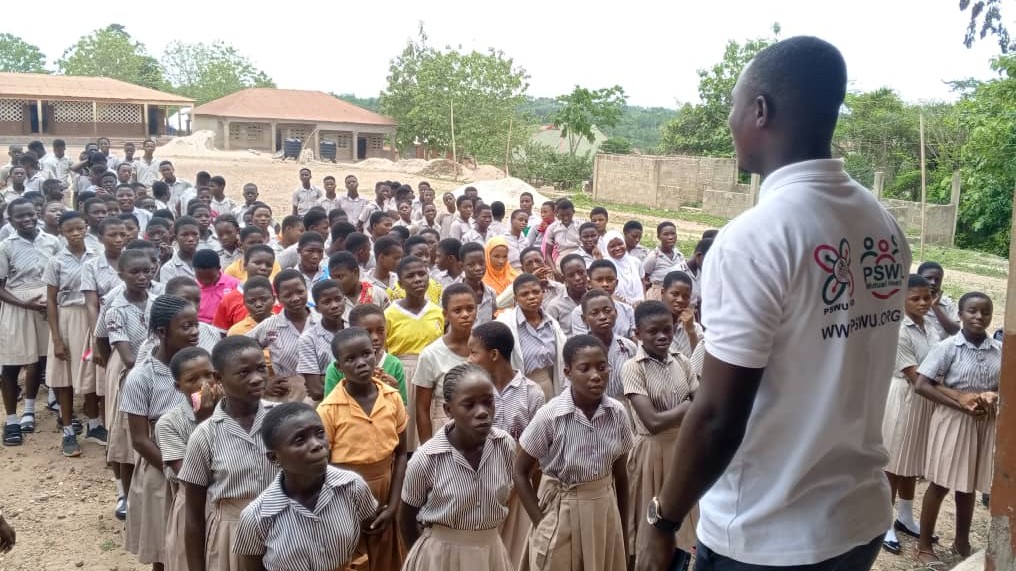
Every click, post, comment, and online search leaves a trace. This was the key message delivered to students when the Wassa Amenfi Central Office of the National Commission for Civic Education (NCCE) engaged them on responsible internet use as part of the Citizenship Week Celebration.
During the engagement, the NCCE urged students to stay safe, think carefully, and make smart choices whenever they use the internet. The session focused on helping young people understand that the digital space is useful for learning, communication and personal development, but it also comes with risks that require discipline and responsibility.
Addressing the students, the District Director explained that the internet keeps a record of many online activities, including social media posts, websites visited, pictures shared, and comments made. Students were reminded that their digital footprints can remain online for a long time and may affect their future opportunities.
According to the Director, future employers, colleges, scholarship boards, and even friends may form opinions about young people based on what they see about them online. For this reason, students were encouraged to maintain a positive, respectful, and responsible online presence.
Officers of the Commission also educated the students on some common online risks, including cyberbullying, fake news, online fraud, exposure to inappropriate content, and sharing personal information with strangers. They explained that careless online behaviour can expose young people to harm, embarrassment, exploitation or loss of privacy.
Students were advised to protect their personal information, including their full names, home addresses, school details, phone numbers, and passwords. They were also encouraged to think carefully before posting pictures, comments, or videos, since content shared online can easily be copied, forwarded, or misused by others.
Respectful online behaviour was also highlighted as an important part of responsible digital citizenship. Students were urged to avoid insults, false accusations, offensive language, and the sharing of harmful content. They were reminded that the same values expected in face-to-face interactions, such as respect, honesty, and responsibility, must also guide their conduct online.
Facilitators further encouraged students to report or block inappropriate content, suspicious messages, and abusive online behaviour. They were advised to speak to trusted adults, teachers, or appropriate authorities whenever they encounter threats, harassment, or uncomfortable situations online.
By the close of the engagement, students were encouraged to use the internet positively for learning, creativity, and personal growth, while protecting themselves and respecting the rights of others. The Wassa Amenfi Central NCCE reaffirmed the importance of equipping young people with the knowledge and values needed to become responsible citizens in the digital age.
_
Follow us on our social media pages for more stories and posts from the NCCE.

https://www.instagram.com/nccegh/

https://www.facebook.com/nccegh/
Leave a comment