The Central Regional Office of the National Commission for Civic Education (NCCE), with support from the German Development Cooperation (GIZ), has organised a capacity-building workshop for youth and student leaders at the University of Cape Coast (UCC) to promote ethical leadership and deepen understanding of influence peddling.
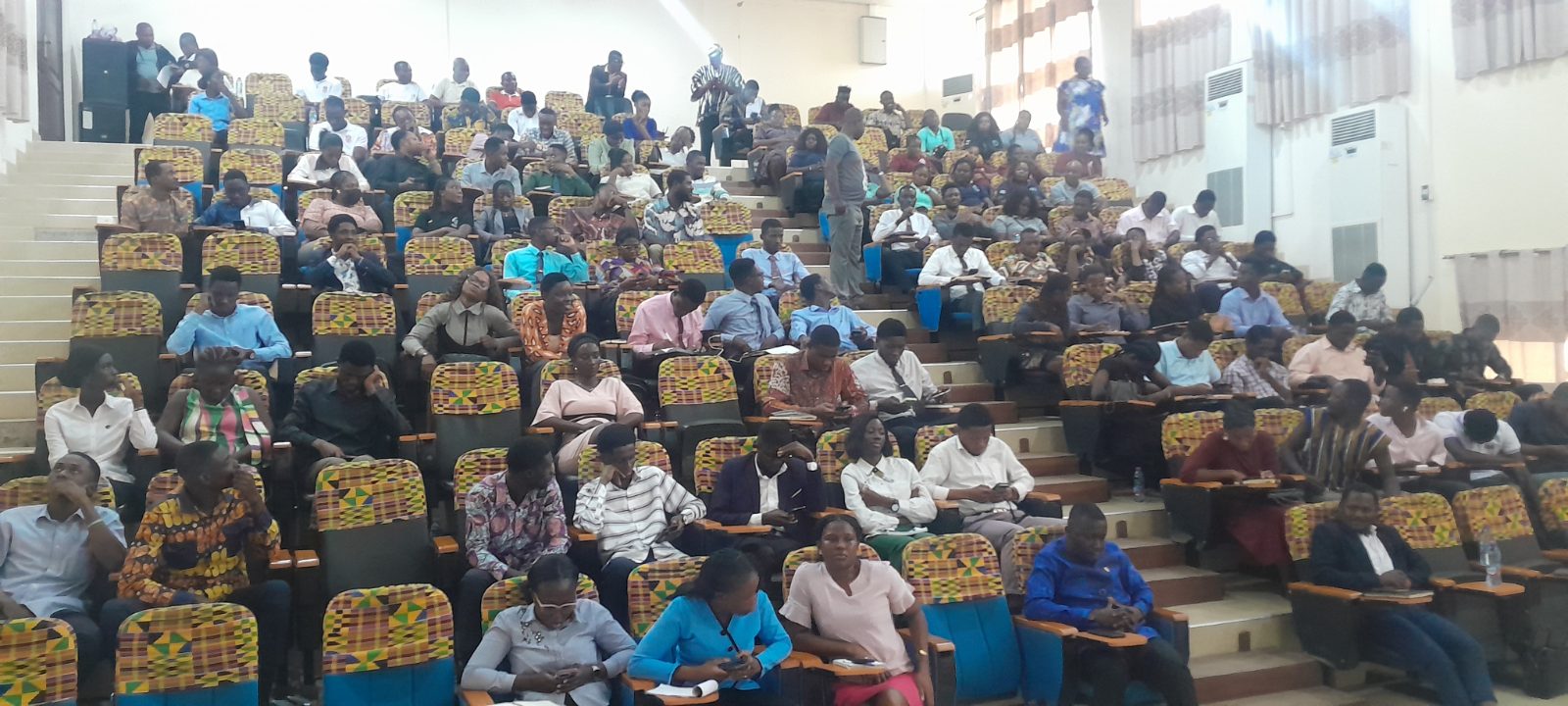
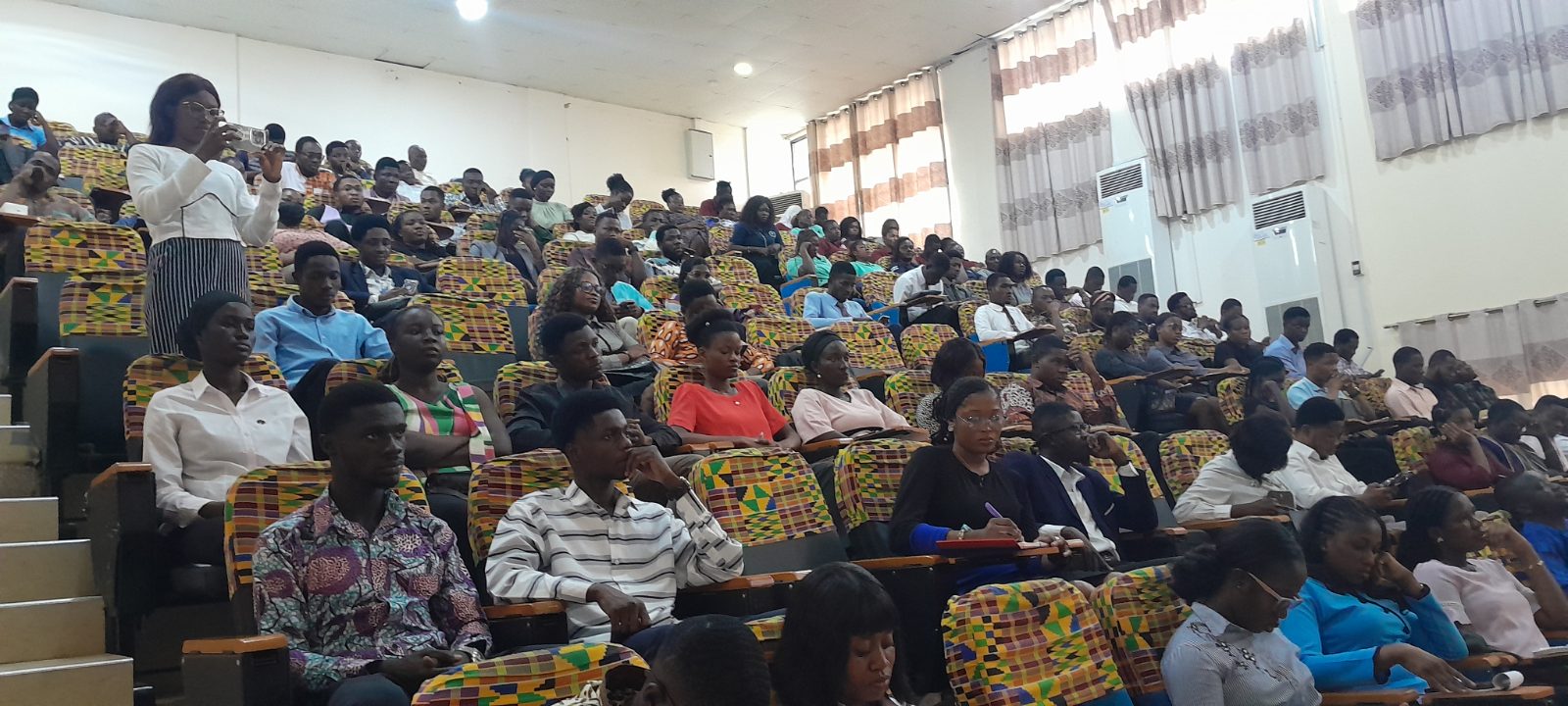
Held at the Kwesi Amissah-Arthur Language Centre, UCC, the workshop brought together more than 150 participants, including Student Representative Council (SRC) executives, youth leaders and student representatives from various institutions.
Designed to strengthen integrity, accountability and responsible leadership among young people, the engagement also equipped participants with knowledge and practical guidance for promoting ethical conduct within their institutions and communities.
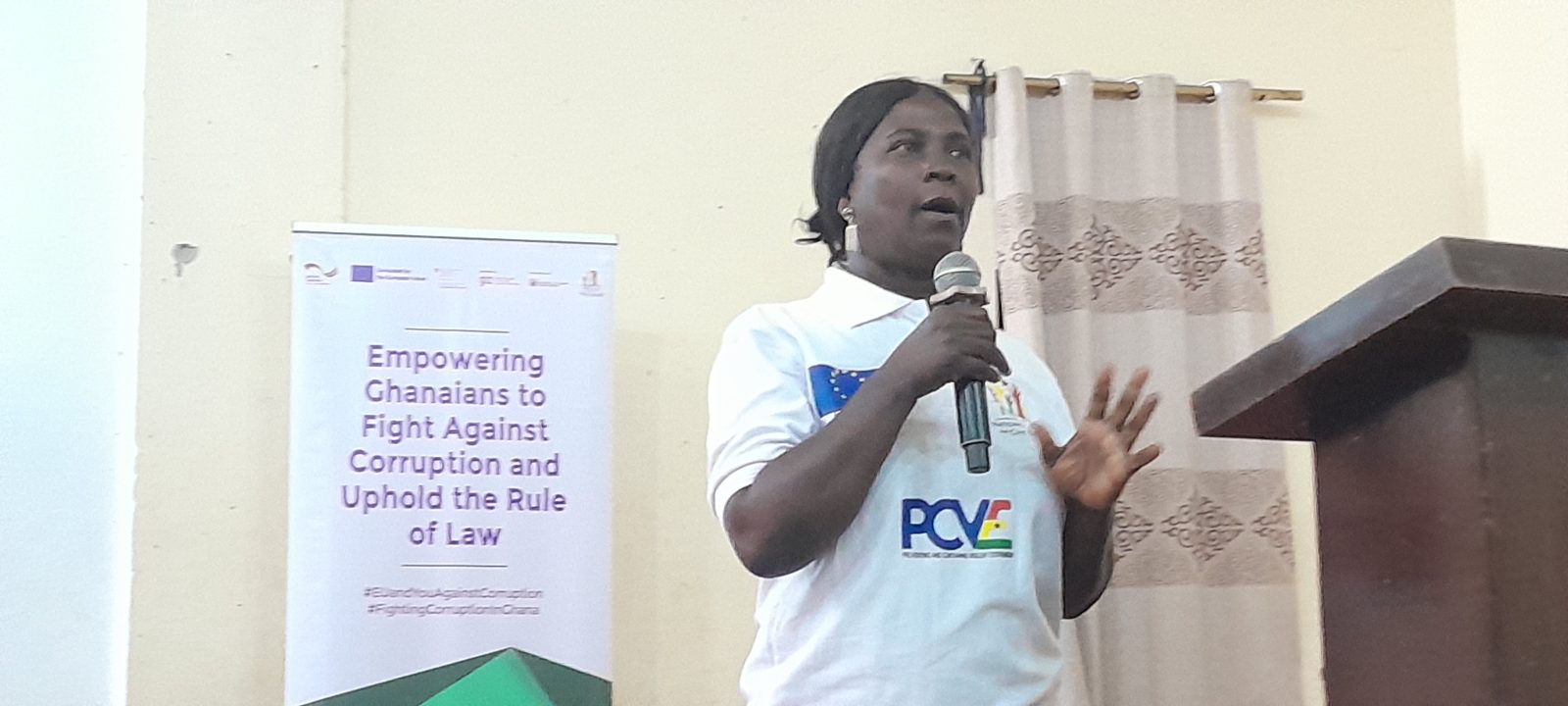
Opening the programme, Mrs. Joyce Frimpong underscored the importance of nurturing a new generation of leaders committed to transparency, fairness and national development. She urged young leaders to recognise the influence they wield over their peers and communities and to reject practices that undermine integrity.
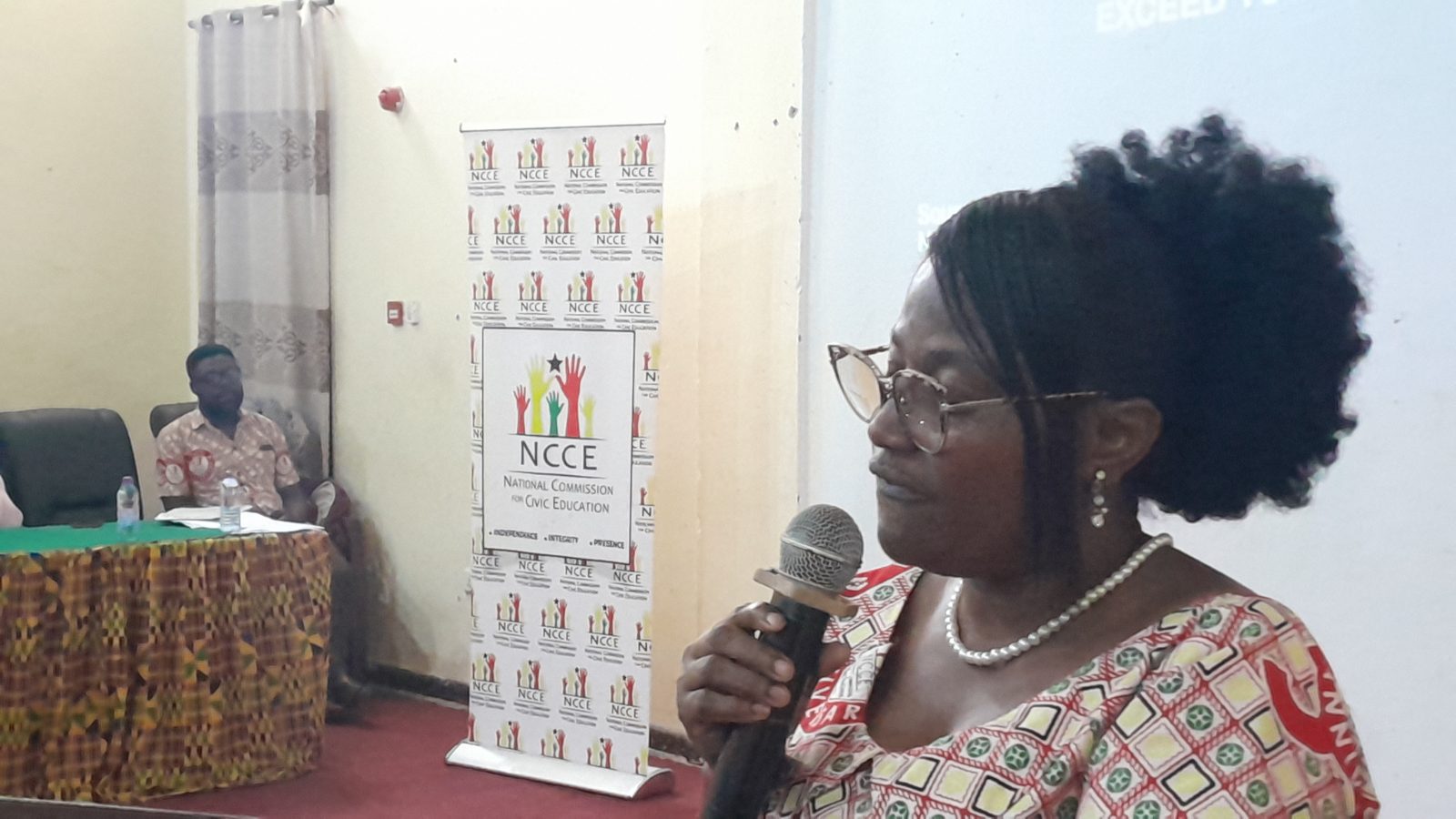
Facilitating the session on ethical leadership, Central Regional Director of the NCCE, Madam Mercy Essien, identified honesty, accountability, respect, fairness, transparency and selfless service as essential values of responsible leadership.
According to Madam Essien, ethical leadership extends beyond occupying a position of authority and requires leaders to inspire trust through exemplary conduct and principled decision-making. She encouraged participants to lead by example, respect institutional rules and place the interests of those they represent above personal gain.
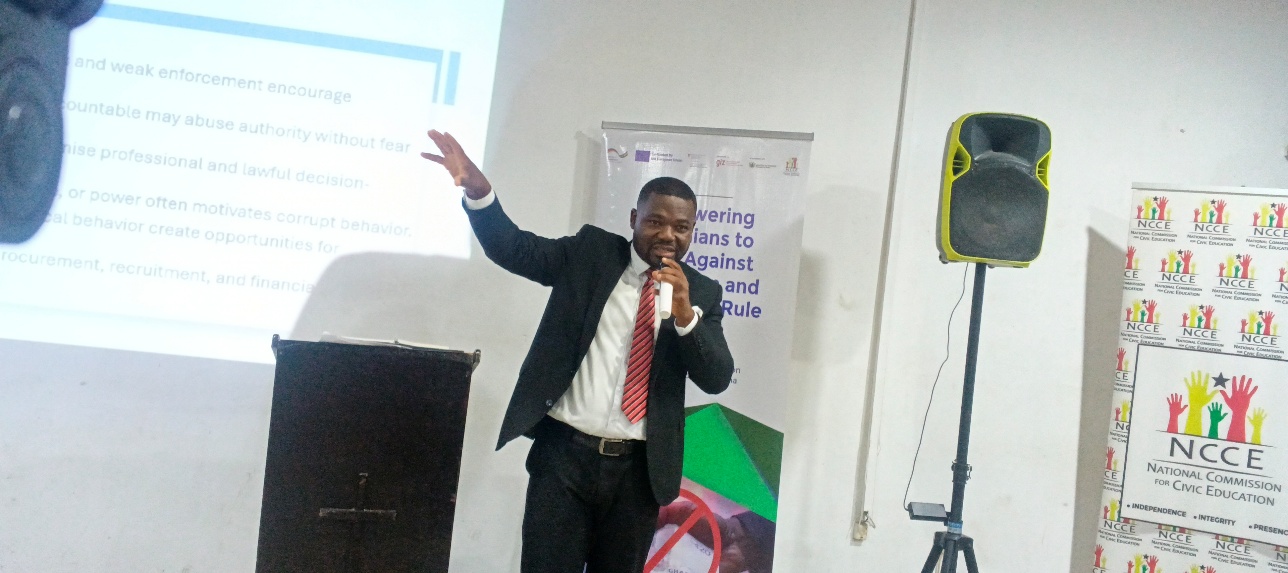
Attention later shifted to influence peddling, with Lawyer Abeiku Simpson of the Commission on Human Rights and Administrative Justice (CHRAJ) explaining how the practice can undermine fairness and institutional credibility.
He described influence peddling as the improper use of personal relationships, authority or access to decision-makers to secure undue advantages, favours, contracts, appointments or other benefits. He cautioned that the practice undermines meritocracy, fuels corruption and weakens public confidence in institutions.
Participants were consequently encouraged to resist undue influence, avoid conflicts of interest and remain transparent in their academic, professional and public engagements.
Throughout the workshop, participants engaged the facilitators through questions, discussions and shared experiences, gaining practical insights into promoting ethical conduct within student governance structures and youth organisations.
Also present were the Vice Dean of Students at UCC, Dr. Samuel Asarbil, and his entourage. Their participation highlighted the importance of collaboration in nurturing ethical, accountable, and responsible youth leadership.
_
Follow us on our social media pages for more stories and posts from the NCCE.

https://www.instagram.com/nccegh/

https://www.facebook.com/nccegh/
https://www.youtube.com/channel/UCwajFJmmlmzRf1OMM.
Leave a comment