Taxes are more than payments to the government; they are a shared contribution towards building the roads, schools, hospitals, and other public services citizens depend on. With tax compliance in Ghana remaining relatively low, the National Commission for Civic Education (NCCE) is stepping up efforts to remind citizens of their civic responsibility to pay taxes.
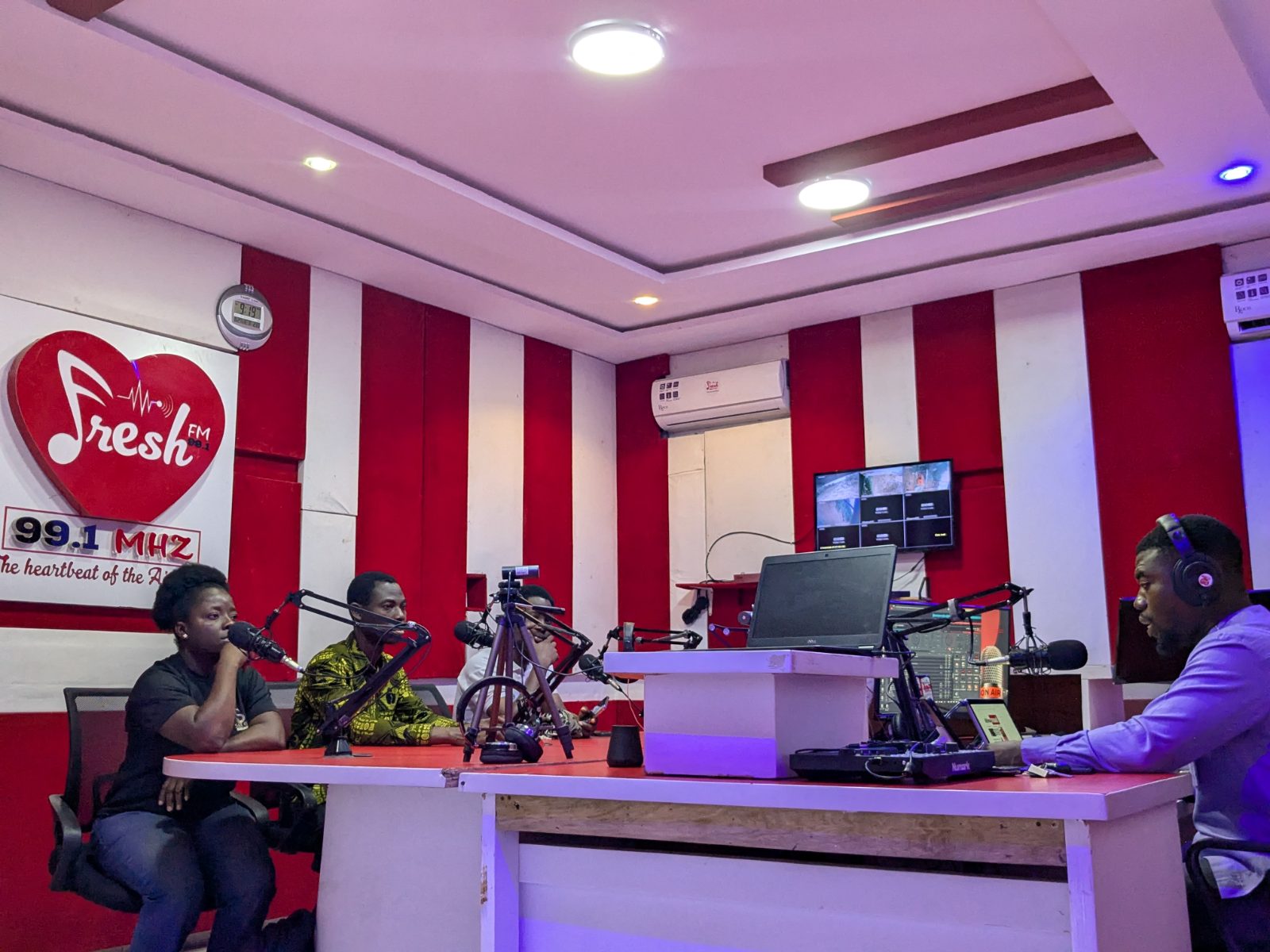
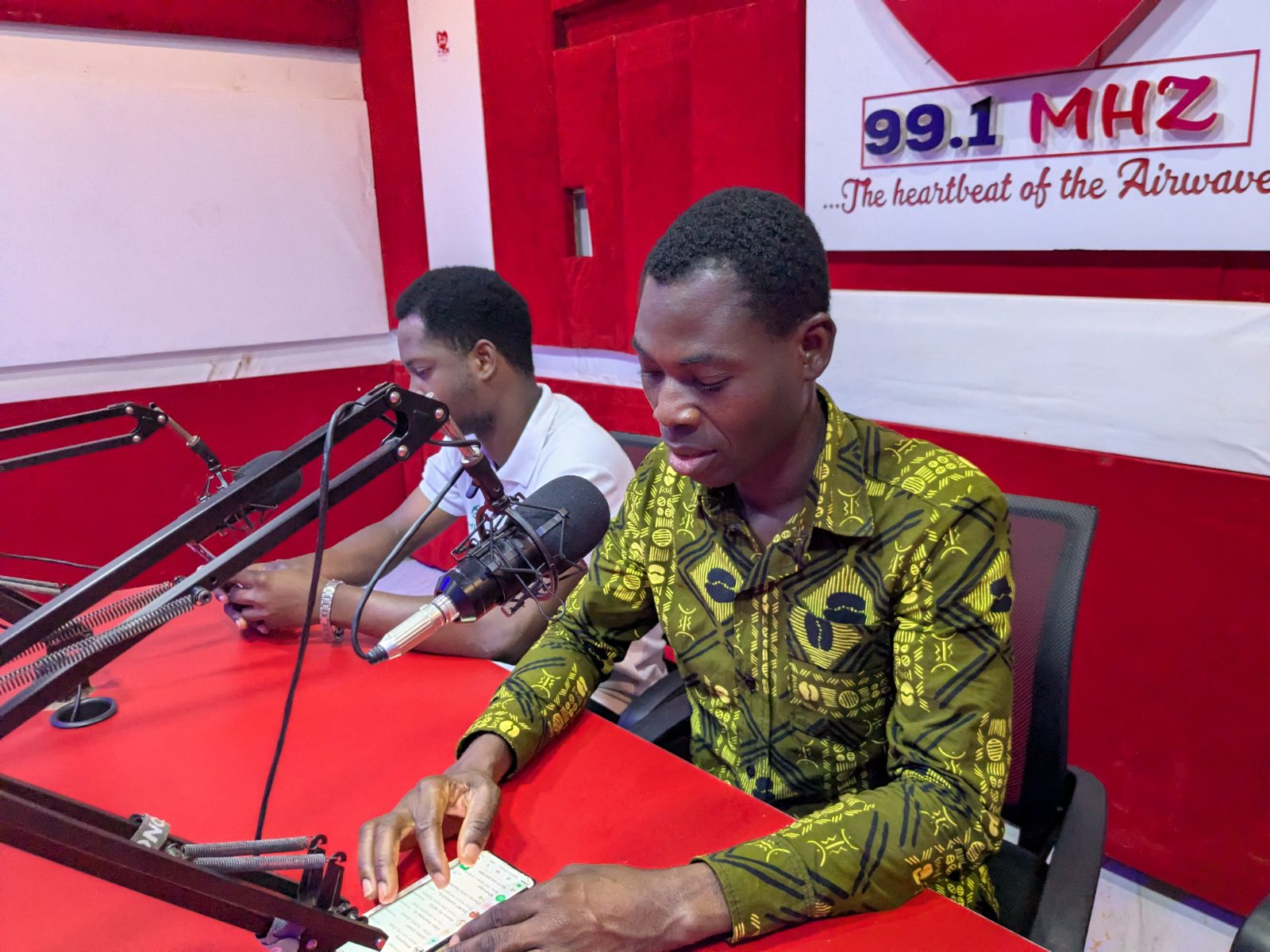
As part of its nationwide campaign to encourage tax compliance, the NCCE Gomoa East team engaged the public on the importance of taxation to national development during a sensitisation programme on Fresh FM, a community radio station in Potsin.
The engagement was led by the NCCE Gomoa East Team Lead, Mr. Charles Paintsil, together with Miss Sandra Adovor and Mr. Leslie Amamoo. The team used the radio platform to educate listeners on the role of taxes in generating domestic revenue and supporting national development.
According to the Ghana Revenue Authority (GRA), direct taxpayers account for only about 3.5 to 5 percent of Ghana’s population of over 33 million. Even when measured against the adult voting population of approximately 17 million, direct tax compliance remains below 10 percent. This relatively low level of tax participation places pressure on the government’s ability to mobilise sufficient domestic revenue to support essential public services and development programmes.
During the sensitisation, the NCCE team identified several factors contributing to low tax compliance. These included high tax rates, low incomes, multiple taxation, seasonal incomes and unemployment, as well as limited knowledge of tax laws.
Other concerns raised included perceptions of corruption and a lack of trust in the use of public funds, alongside the non-disclosure of businesses and income by some taxpayers.
The team explained that improving tax compliance is important not only for increasing government revenue but also for supporting development projects and programmes in areas such as education, health and housing. Tax revenue also contributes to the operations of government institutions and the implementation of various social intervention programmes.
Against this backdrop, citizens were encouraged to view the payment of taxes not as a punishment or burden, but as a civic responsibility and a collective investment in the development of the country.
The engagement formed part of the NCCE’s broader civic education efforts to promote responsible citizenship and encourage citizens to contribute meaningfully to Ghana’s development.



_
Follow us on our social media pages for more stories and posts from the NCCE.

https://www.instagram.com/nccegh/

https://www.facebook.com/nccegh/
https://www.youtube.com/channel/UCwajFJmmlmzRf1OMM.
Leave a comment