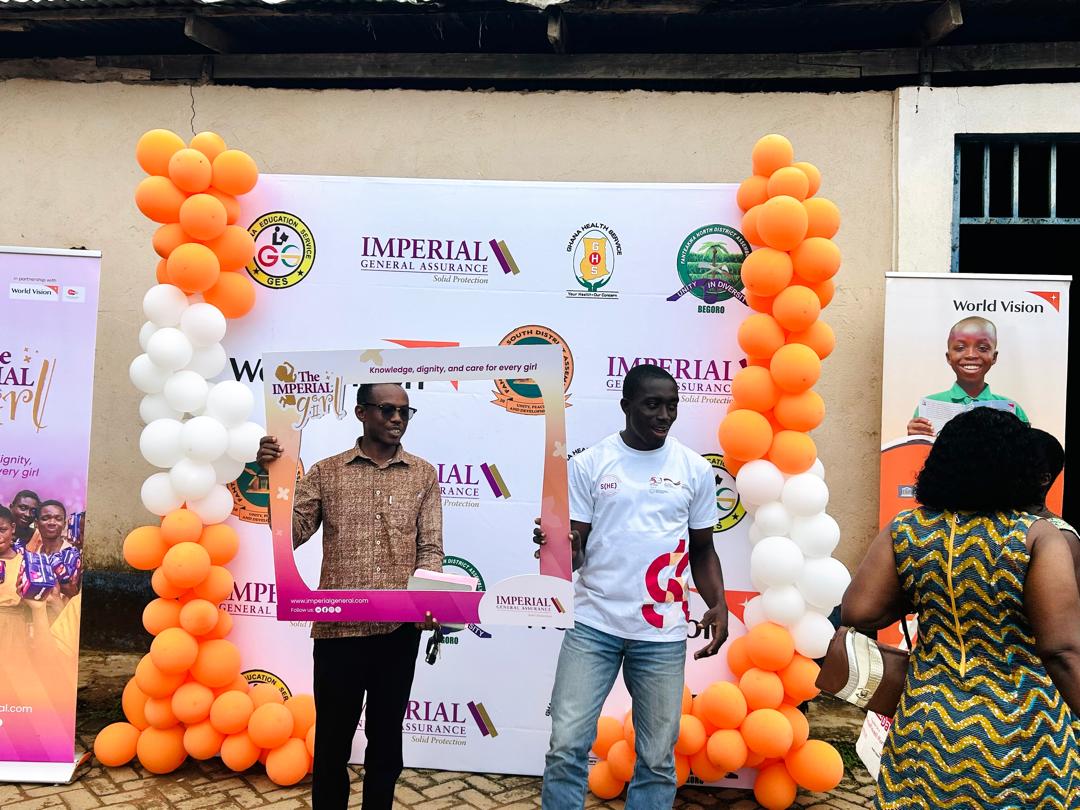
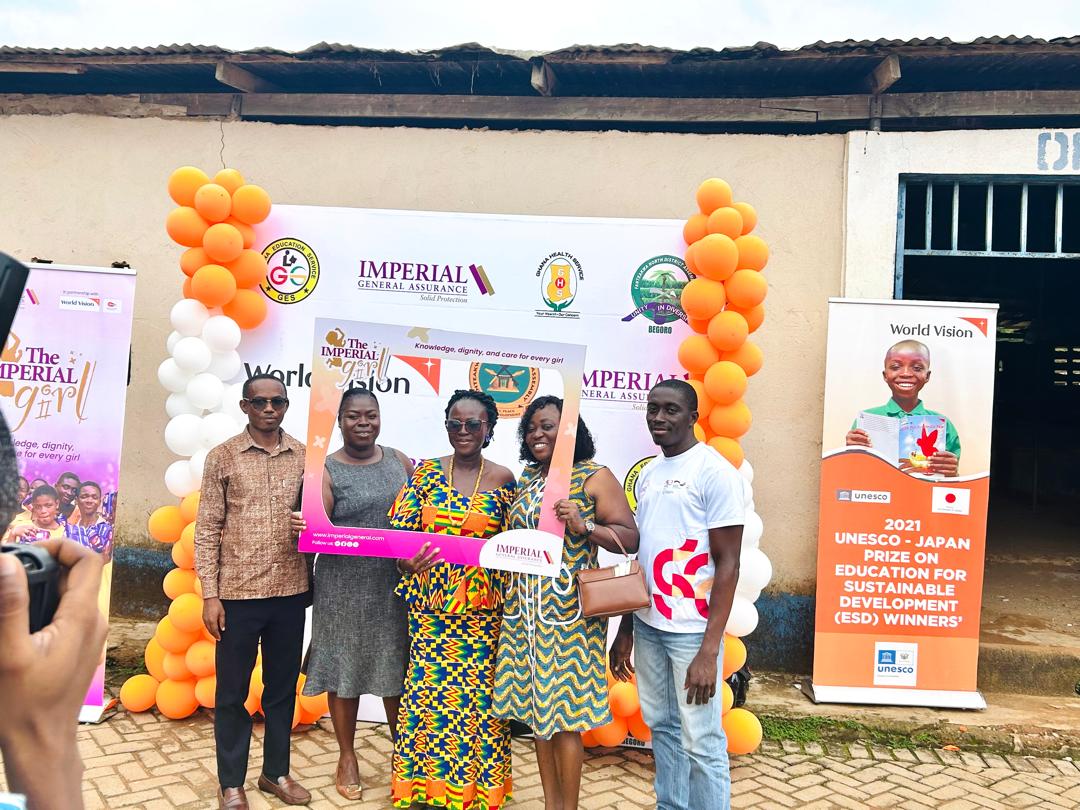
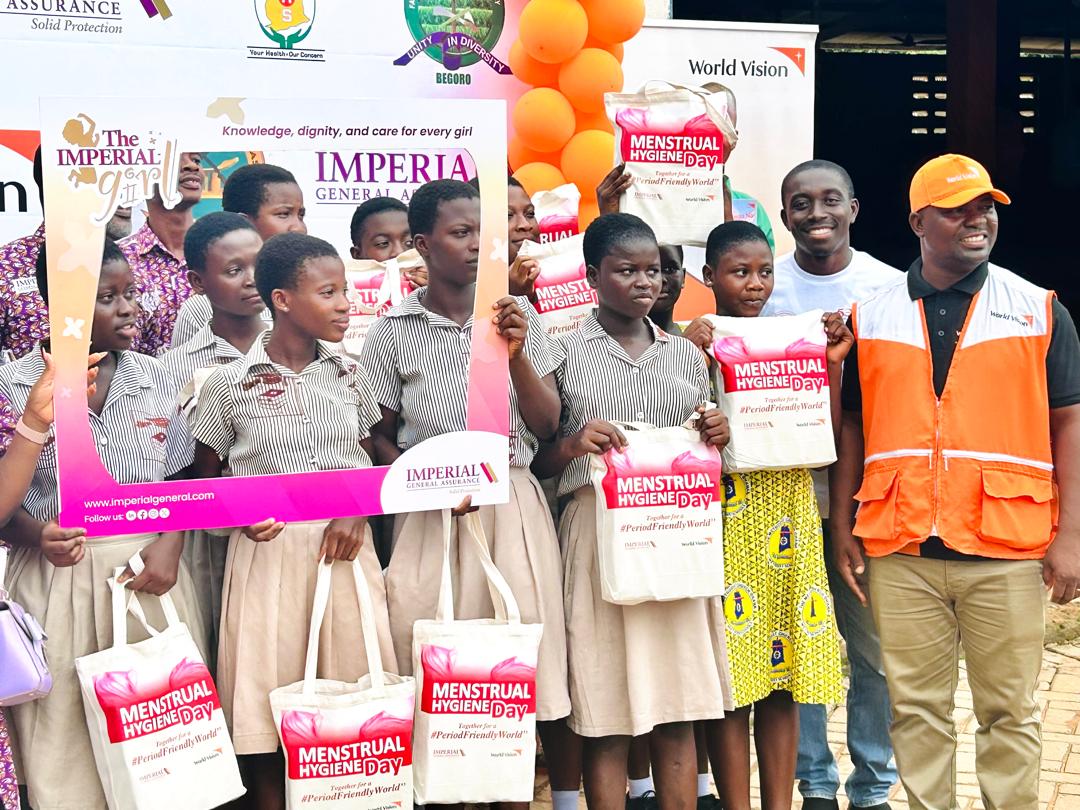
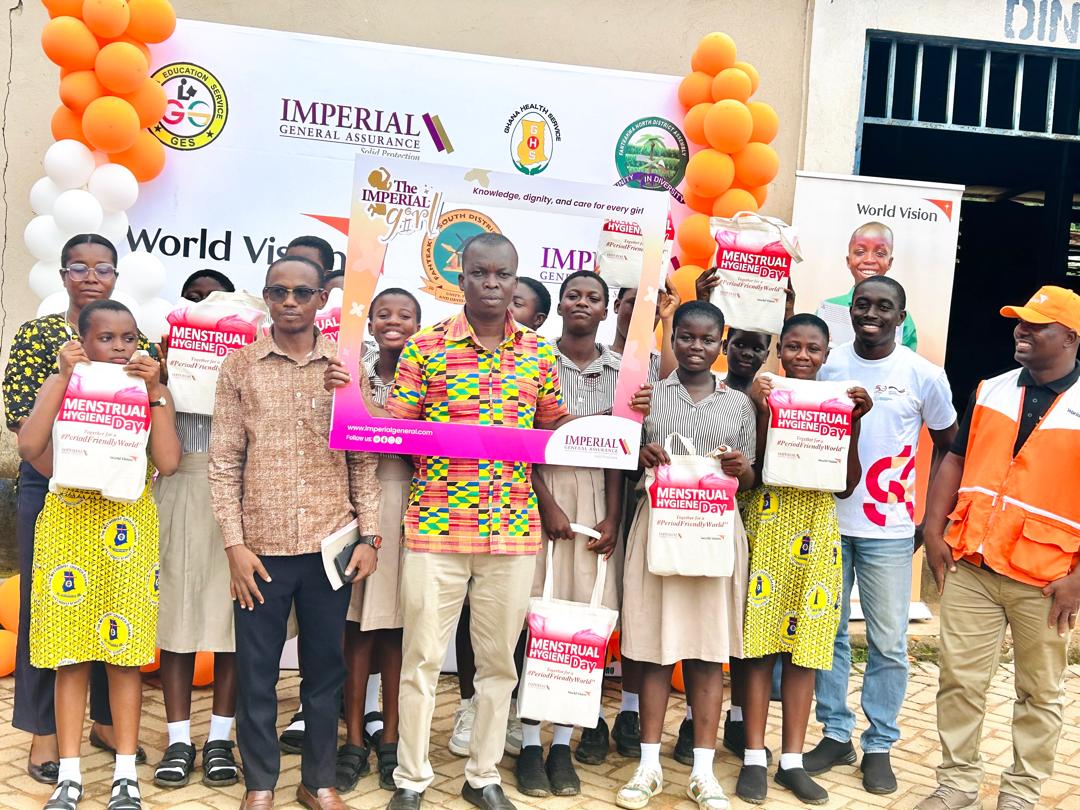
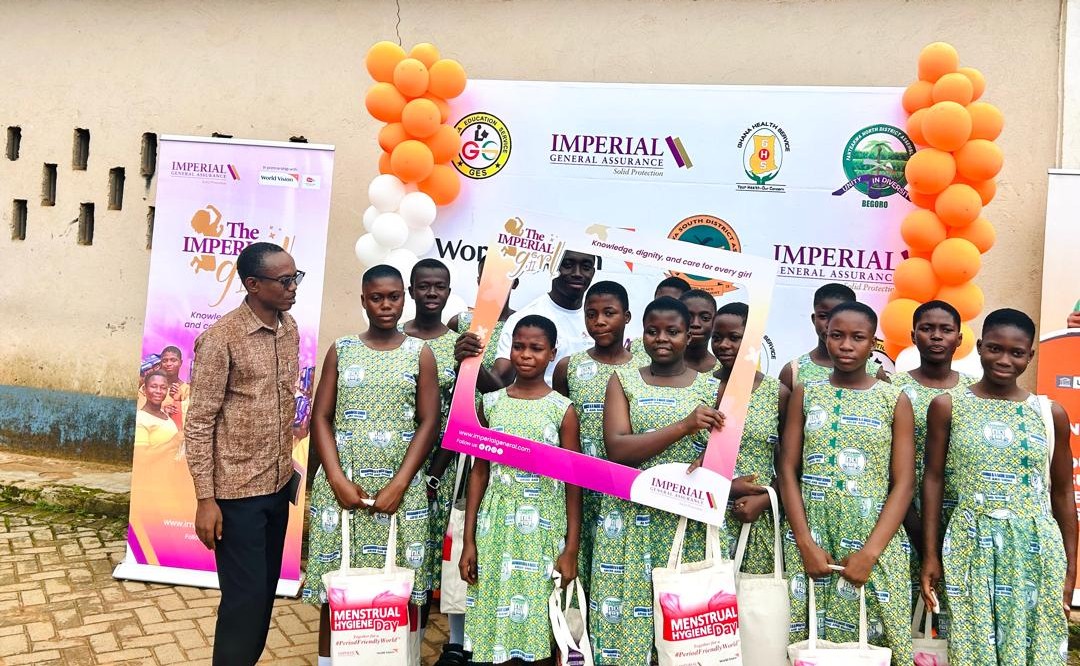
World Vision Ghana, in collaboration with the Ghana Health Service, the Ghana Education Service, and the National Commission for Civic Education, has commemorated World Menstrual Hygiene Day with an educational programme for Junior High School students from Fanteakwa South and Fanteakwa North.
The programme was held on Thursday, 28th May 2026, at Begoro Senior High School. It brought together health professionals, educators, students, and partner institutions to promote menstrual hygiene, adolescent health awareness, personal wellbeing, and safe digital practices among young people.
Health professionals from the Ghana Health Service educated the students on the biological and emotional changes associated with puberty. They emphasised the importance of proper menstrual hygiene practices, explaining that good hygiene helps protect health, build confidence, preserve dignity, and support the full participation of girls in school activities.
Students were also educated on adolescent health and encouraged to seek guidance from parents, teachers, health professionals, and trusted adults whenever they face challenges relating to puberty, menstruation, personal wellbeing, or peer pressure.
Speaking as a resource person, the Fanteakwa South District Director of the NCCE, Mr. Kwadwo Adu-Asare, sensitised the students on responsible digital conduct. He advised them against sharing nude or explicit images, clicking suspicious online links, engaging with strangers online, and exposing themselves to pornographic or other harmful digital content.
Mr. Adu-Asare encouraged the students to make wise decisions, remain disciplined, and focus on their education. He noted that technology can support learning and personal development when used responsibly, but warned that careless online behaviour could expose young people to exploitation, embarrassment, blackmail, and other risks.
He further urged the students to protect their dignity, respect themselves and others, and seek help from parents, teachers, health professionals, or trusted adults whenever they encounter challenges relating to adolescence, personal safety, or online activities.
The programme formed part of efforts to support the physical, emotional, and digital wellbeing of adolescents. Students were encouraged to practise good menstrual hygiene, use digital platforms responsibly, and make choices that would protect their health, education, and future development.
_
Follow us on our social media pages for more stories and posts from the NCCE.

https://www.instagram.com/nccegh/

https://www.facebook.com/nccegh/
Leave a comment