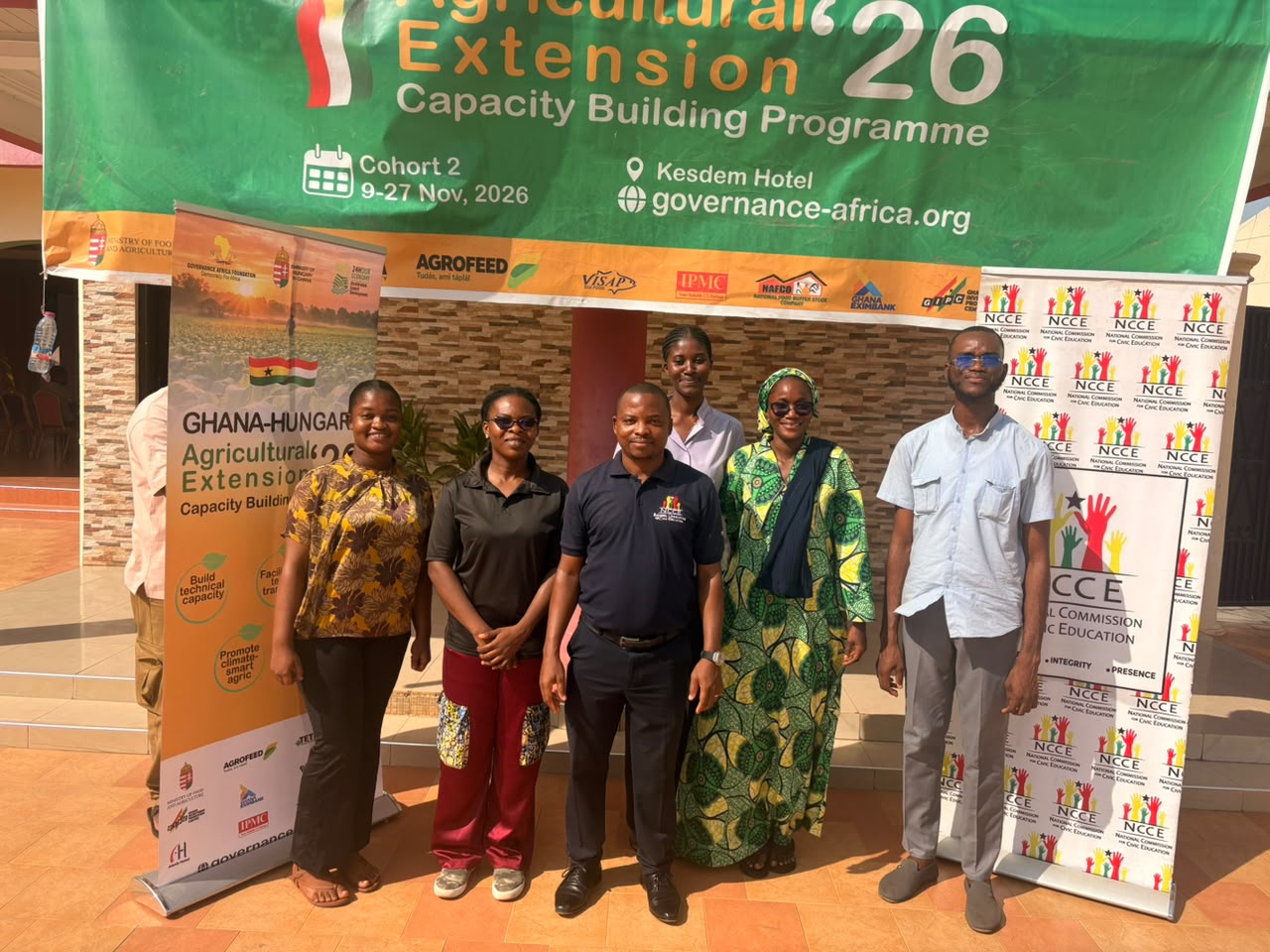
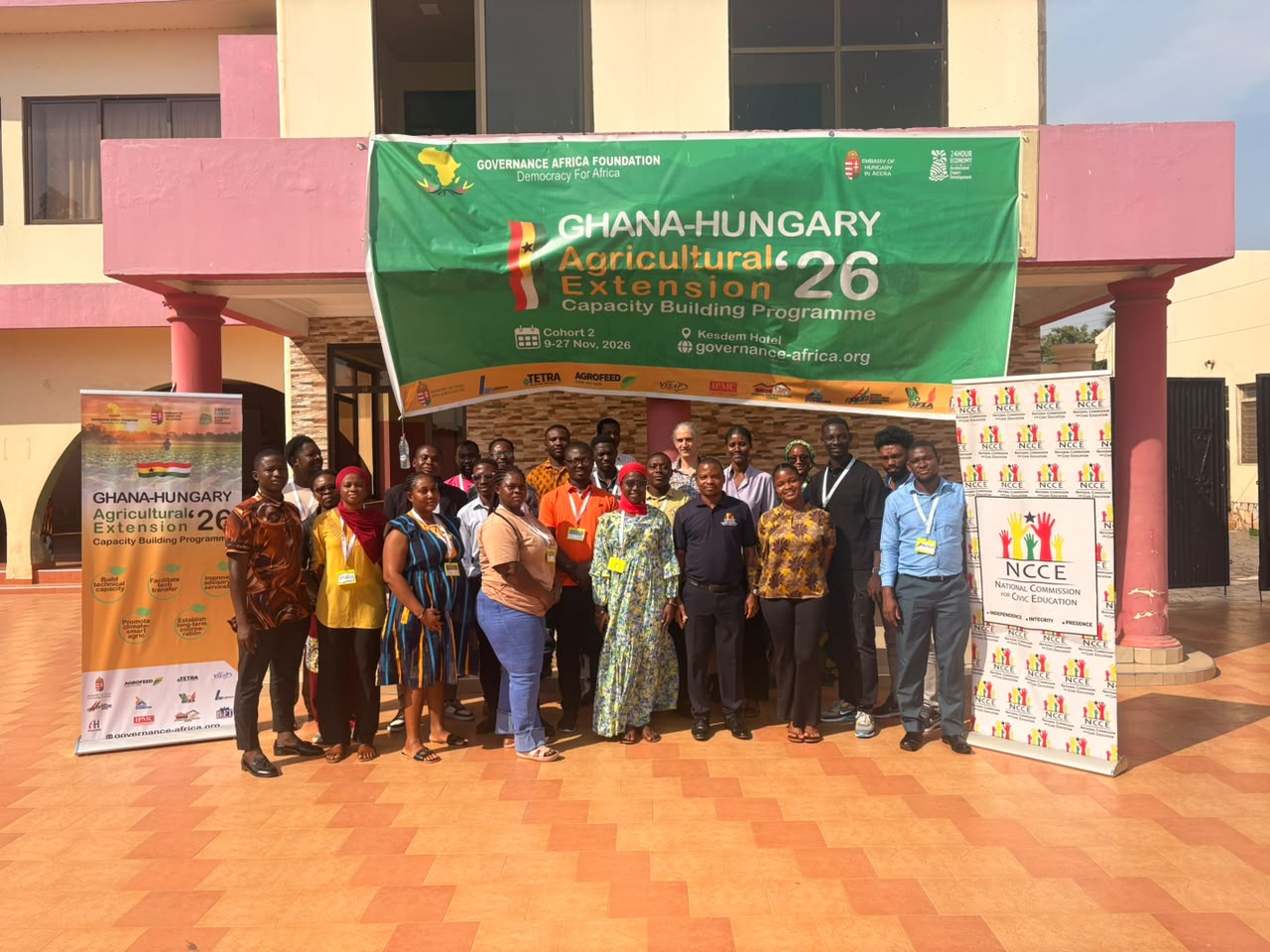
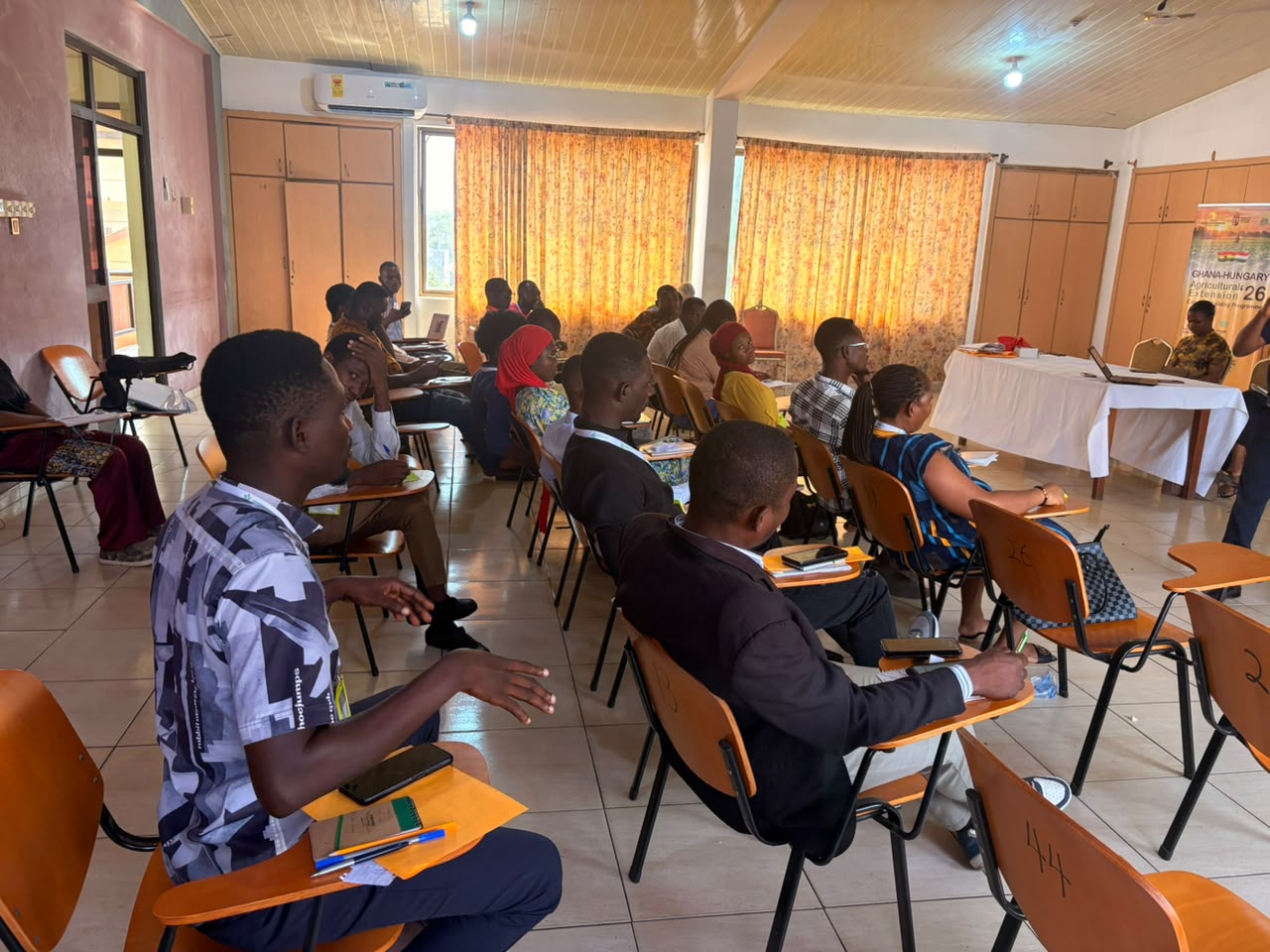
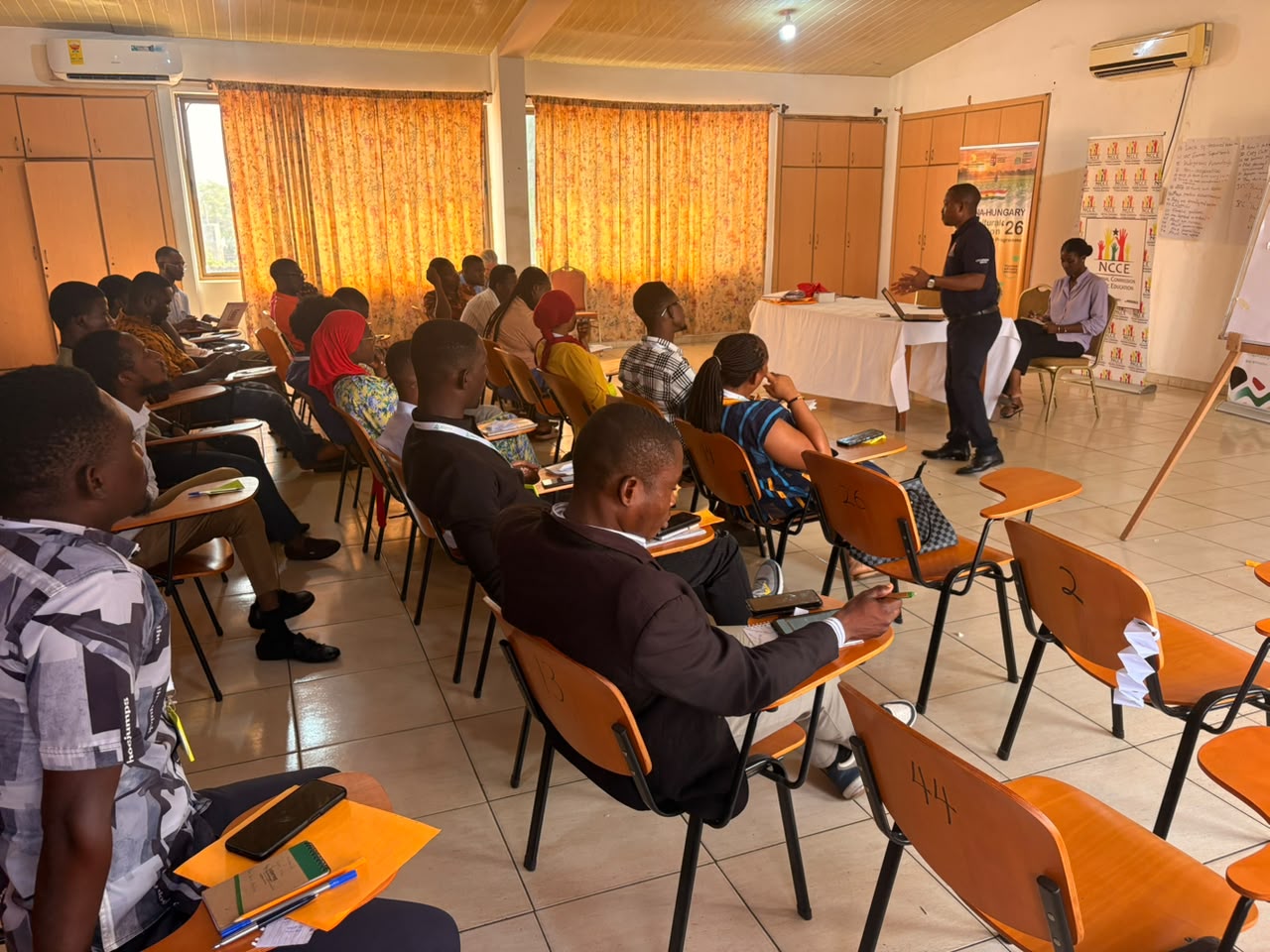
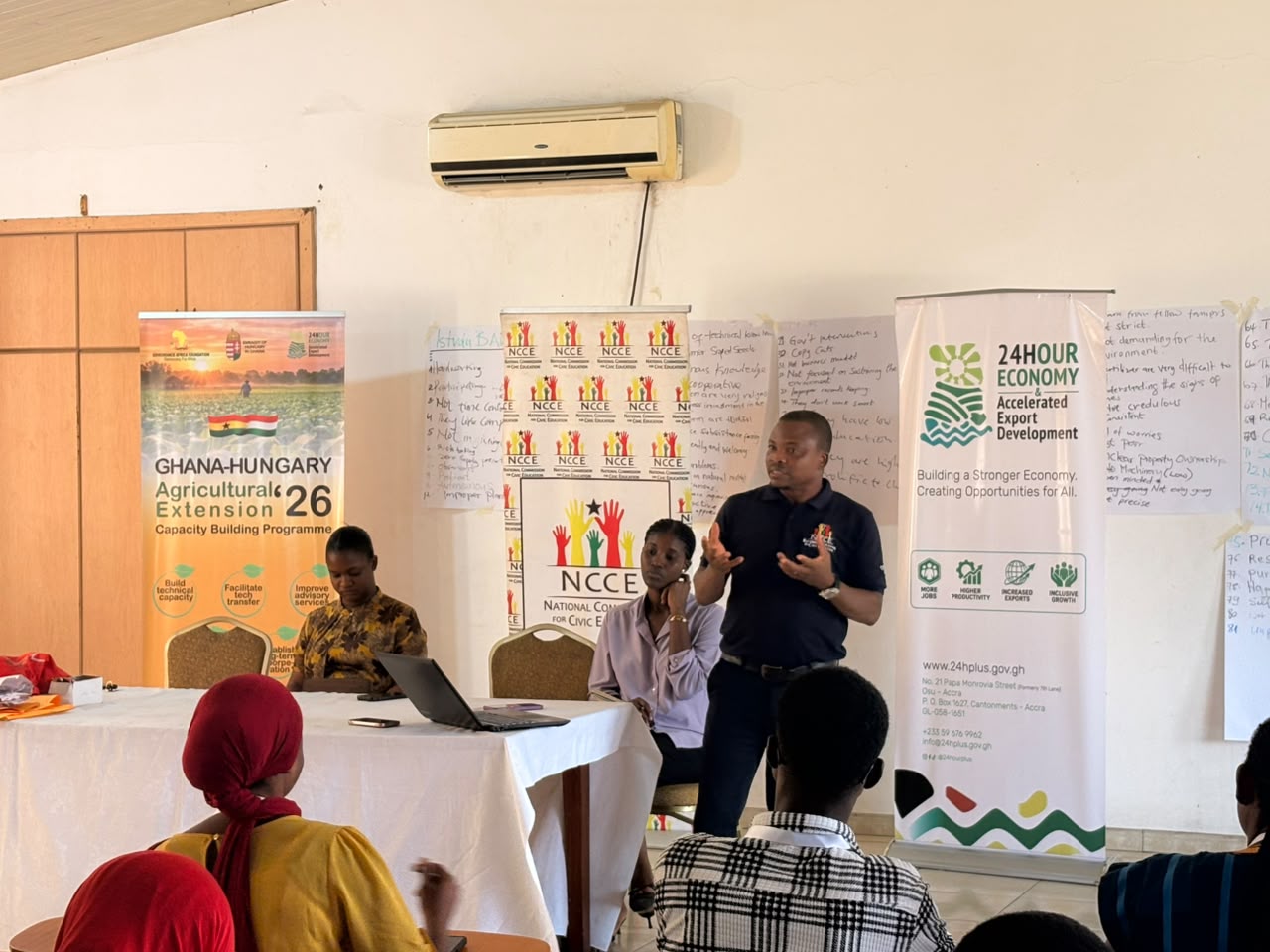
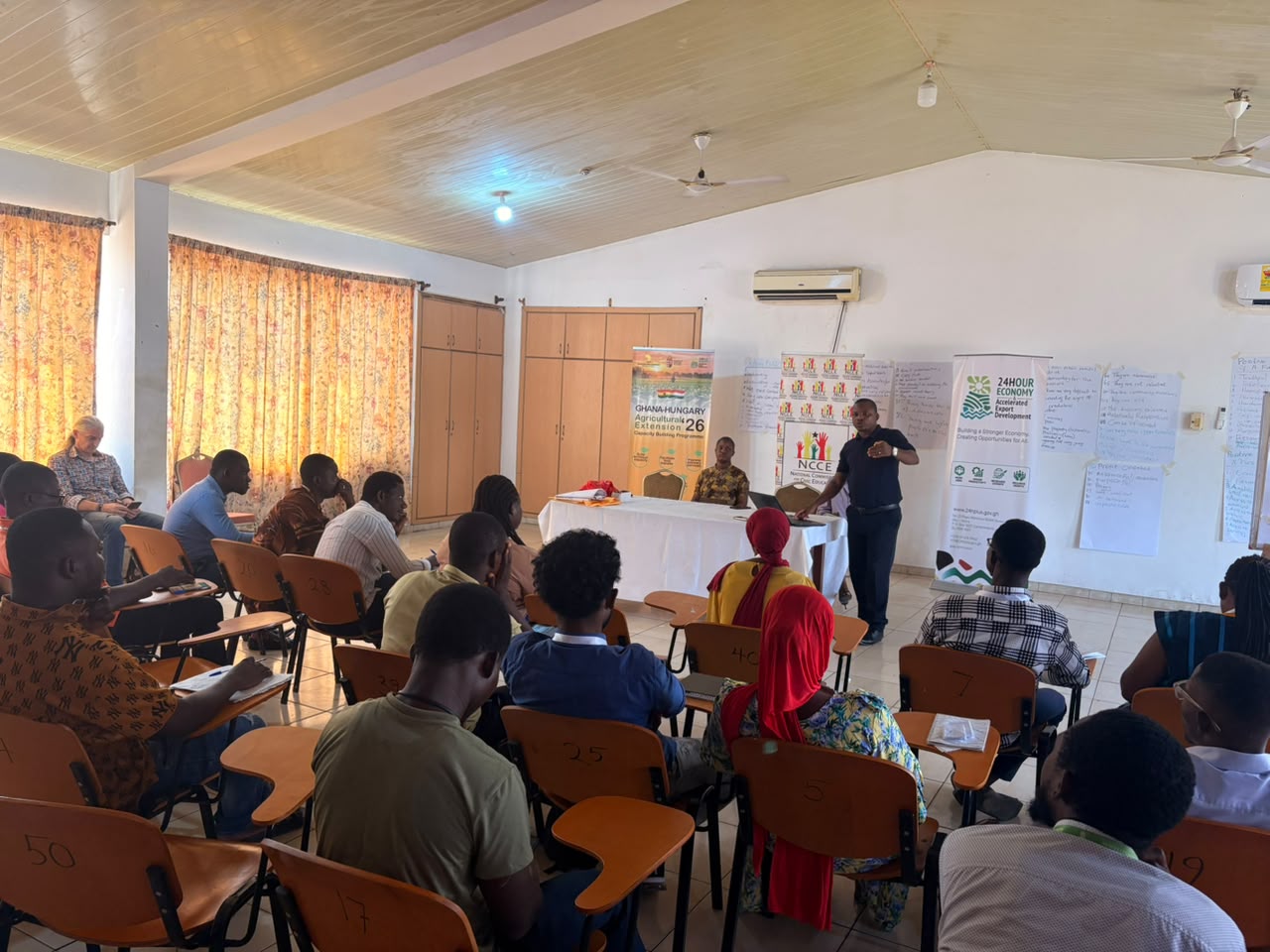
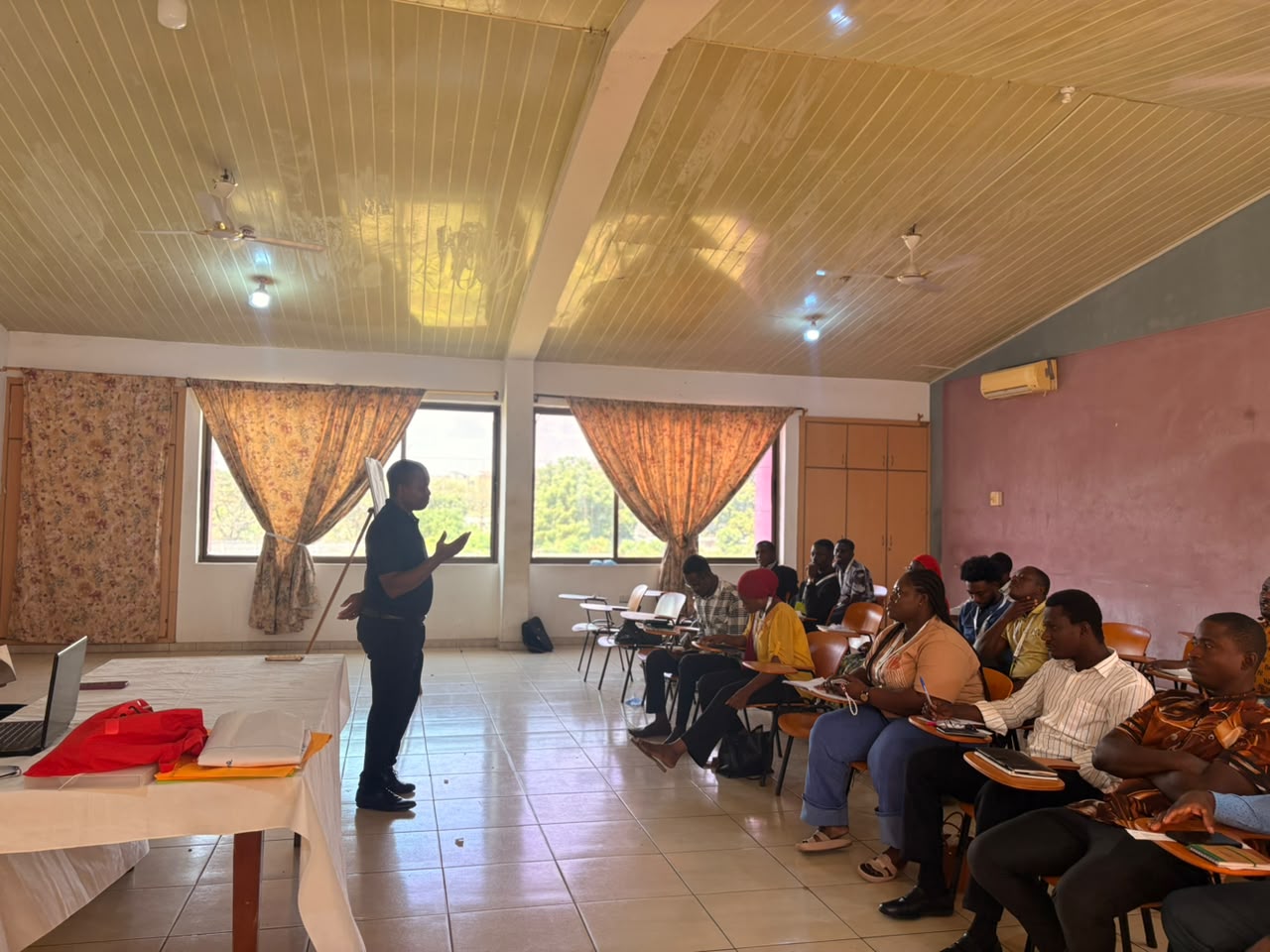
The Tema Metropolitan Office of the National Commission for Civic Education (NCCE) has called on agricultural extension officers to regard their work as a practical expression of citizenship and public service. The message was delivered during an Agricultural Extension Capacity Building Programme organised by the Governance Africa Foundation in partnership with the Embassy of Hungary, where participants examined the relationship between constitutional duties, professional integrity and agricultural development.
Addressing the officers, Mr. Fidel N. A. Bortey drew attention to Article 41 of Ghana's 1992 Constitution, contained in Chapter Six, which sets out the duties of citizens. He explained that constitutional rights carry corresponding responsibilities and challenged participants to consider the contribution their daily work makes to national progress. He emphasised that conscientious service requires more than meeting routine obligations, particularly for professionals whose advice influences farmers' livelihoods and agricultural productivity. Such responsibilities become especially important when extension officers interact directly with farmers and respond to community needs.
Mr. Bortey urged extension officers to demonstrate integrity, diligence and professionalism by providing farmers with accurate information and practical guidance on modern, sustainable farming methods. He linked the constitutional duty to work conscientiously to the quality of services delivered to farming communities, stressing that dependable technical support can strengthen productivity and rural livelihoods. He also reminded participants of their obligation to safeguard public property, encouraging them to protect equipment and other resources entrusted to their care and report suspected misuse through appropriate channels.
Environmental responsibility also featured prominently in the presentation, with participants encouraged to promote sustainable land use, proper waste management and the conservation of natural resources. Mr. Bortey explained that supporting farmers and rural communities contributes to food security and community well-being. He further reminded the officers that respect for the rights of others, national unity, and cooperation with lawful authorities should guide their professional conduct and interactions with the public.
The interactive discussions allowed participants to relate constitutional obligations to their experiences in agricultural extension services. Through their contributions, they explored the practical demands of responsible citizenship within the agricultural sector. The exchanges highlighted how professional conduct, prudent management of public resources, and effective support for farmers could translate constitutional duties into tangible benefits for farming communities.
_
Follow us on our social media pages for more stories and posts from the NCCE.

https://www.instagram.com/nccegh/

https://www.facebook.com/nccegh/
https://www.youtube.com/channel/UCwajFJmmlmzRf1OMM.
Leave a comment