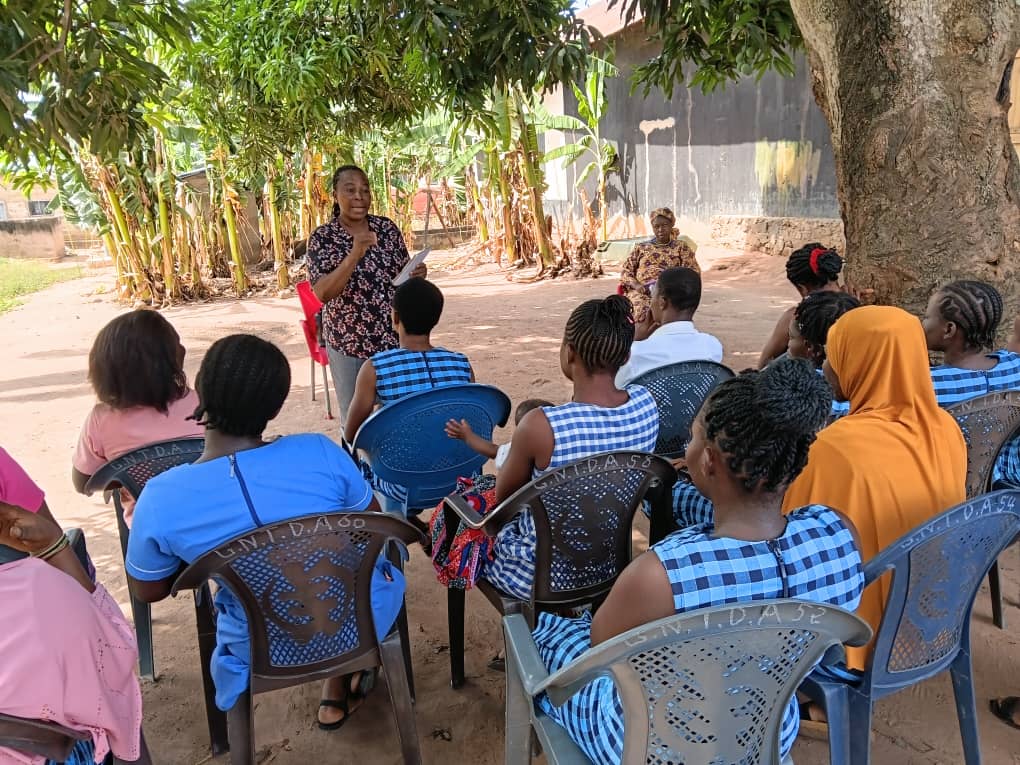
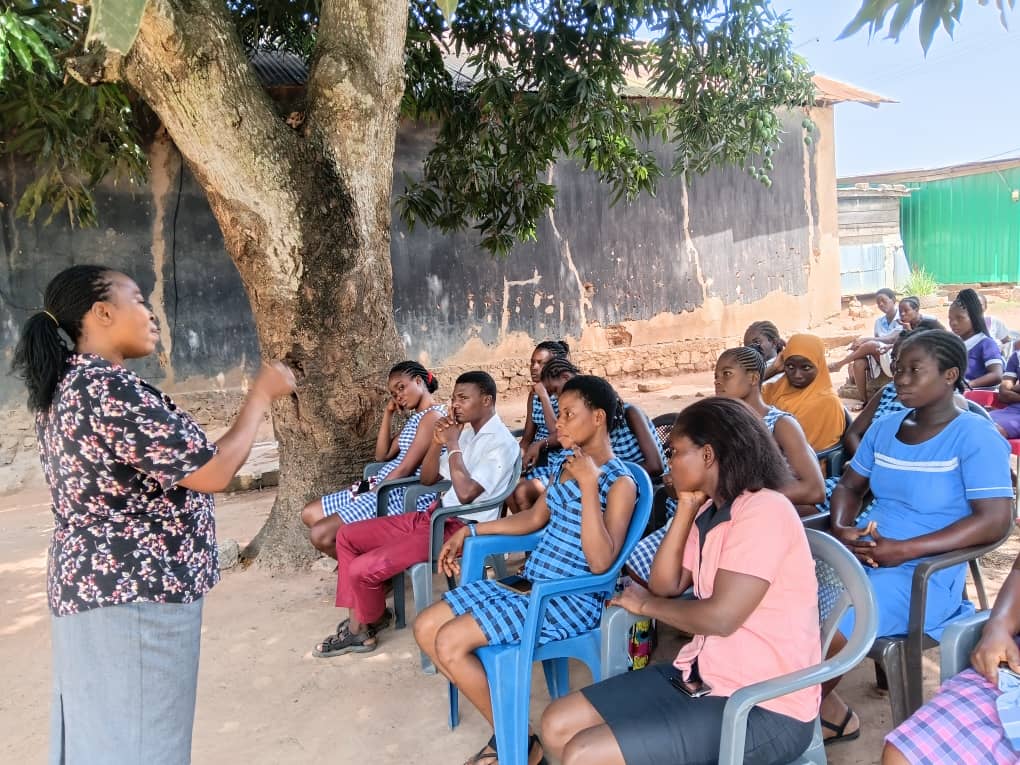
The National Commission for Civic Education has organised a sensitisation programme for apprentices of the Dressmakers’ Association at Kpando Gabi in the Kpando Municipality on the dangers of online fraud and abuse, as part of efforts to promote civic responsibility and lawful conduct among young people.
The engagement was led by Madam Mercy Tsagli, Civic Educator at the NCCE Kpando Municipal Office, with support from Mr. Bright Todan, National Service Personnel attached to the Municipal Office. Together, they interacted with the apprentices on the need to stay vigilant in the digital space and to use online platforms responsibly and productively.
Addressing the apprentices, Madam Tsagli explained that the sensitisation was meant to equip them with practical knowledge on how to identify, avoid, and report online misconduct. She also encouraged them to make good use of digital platforms in ways that would support their trade and personal development. According to her, the growing use of mobile phones, social media, and online transactions among young people has made digital awareness and personal caution more important than ever.
She noted that while digital tools and online platforms offer useful opportunities for communication, business promotion, and skills marketing, they can also expose users to fraud, deception, and abuse when used carelessly. She pointed out that many young people, including apprentices, now rely on digital platforms to communicate with clients, advertise their services, and arrange business transactions. For that reason, she said, they must understand the risks that exist in the online environment.
Madam Tsagli took the apprentices through some common forms of online fraud and abuse, including impersonation, identity related deception, fake online offers, non delivery of goods after payment, romance scams, and cyberbullying. She advised them to be cautious in their online dealings, avoid sharing sensitive personal or financial information with unknown persons, and always verify the credibility of individuals and platforms before entering into transactions or commitments.
She further cautioned the apprentices against engaging in fraudulent or abusive conduct online, stressing that certain actions in cyberspace may amount to offences under Ghana’s Cybersecurity Act, 2020, Act 1038, as well as other applicable laws, and may attract serious sanctions. She explained that the Act established the Cyber Security Authority and provides the regulatory framework for cybersecurity activities in the country.
Madam Tsagli therefore urged the apprentices to remain focused on their trade and to appreciate the dignity of labour. She said dressmaking is an honourable profession that can sustain them economically if pursued with honesty, discipline, and commitment. She encouraged them to use digital platforms positively by showcasing their work, reaching clients legitimately, and building a professional reputation grounded in integrity.
“Your craft as dressmakers is honourable and can sustain you economically without resorting to cybercrime. Let your work speak for you, and let your online presence reflect integrity,” she advised.
She also reminded the apprentices of their broader civic responsibilities as citizens. Referring to Article 41 of the 1992 Constitution, Madam Tsagli said every citizen has a duty to respect the rights and freedoms of others, protect and preserve public property, and work conscientiously in his or her lawfully chosen occupation. She urged the apprentices to see their vocational training not only as a means of livelihood but also as an important stage in developing the values of responsibility, discipline, and patriotism.
According to her, discipline remains central to good citizenship and national development. She noted that young people who cultivate punctuality, honesty, and commitment to excellence in their trade are more likely to become successful entrepreneurs and responsible members of society. She encouraged the apprentices to ensure that their conduct, both online and offline, reflects the values expected of citizens under the Constitution.
The apprentices expressed appreciation to the Commission for the sensitisation and said the engagement had deepened their understanding of the dangers associated with online fraud and abuse. Many of them also pledged to remain law-abiding and to use digital platforms responsibly in their personal and business activities.

_
Follow us on our social media pages for more stories and posts from the NCCE.

https://www.instagram.com/nccegh/

https://www.facebook.com/nccegh/
Leave a comment