In the spirit of citizen tax compliance and promotion of accountability at the district, the Ada West Office of the NCCE has educated residents on tax obligations, the Local Governance Act, and the functions of the Public Relations Complaints Committee (PRCC).
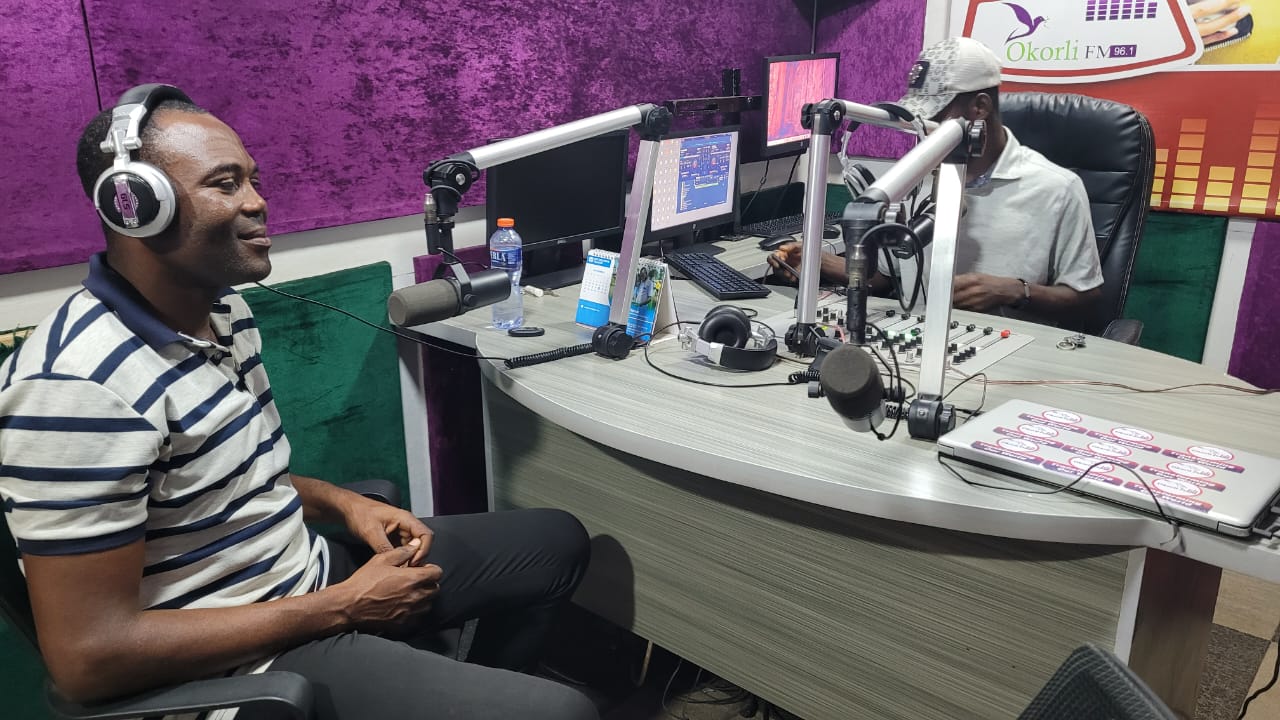
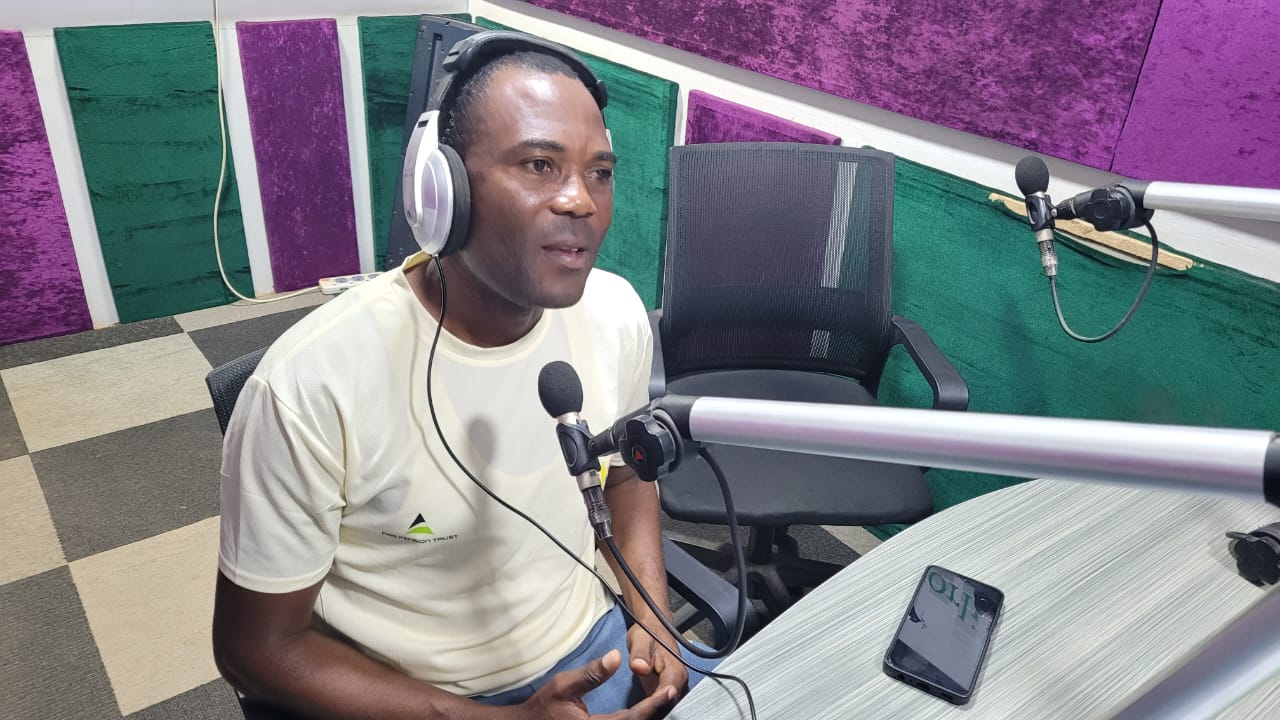
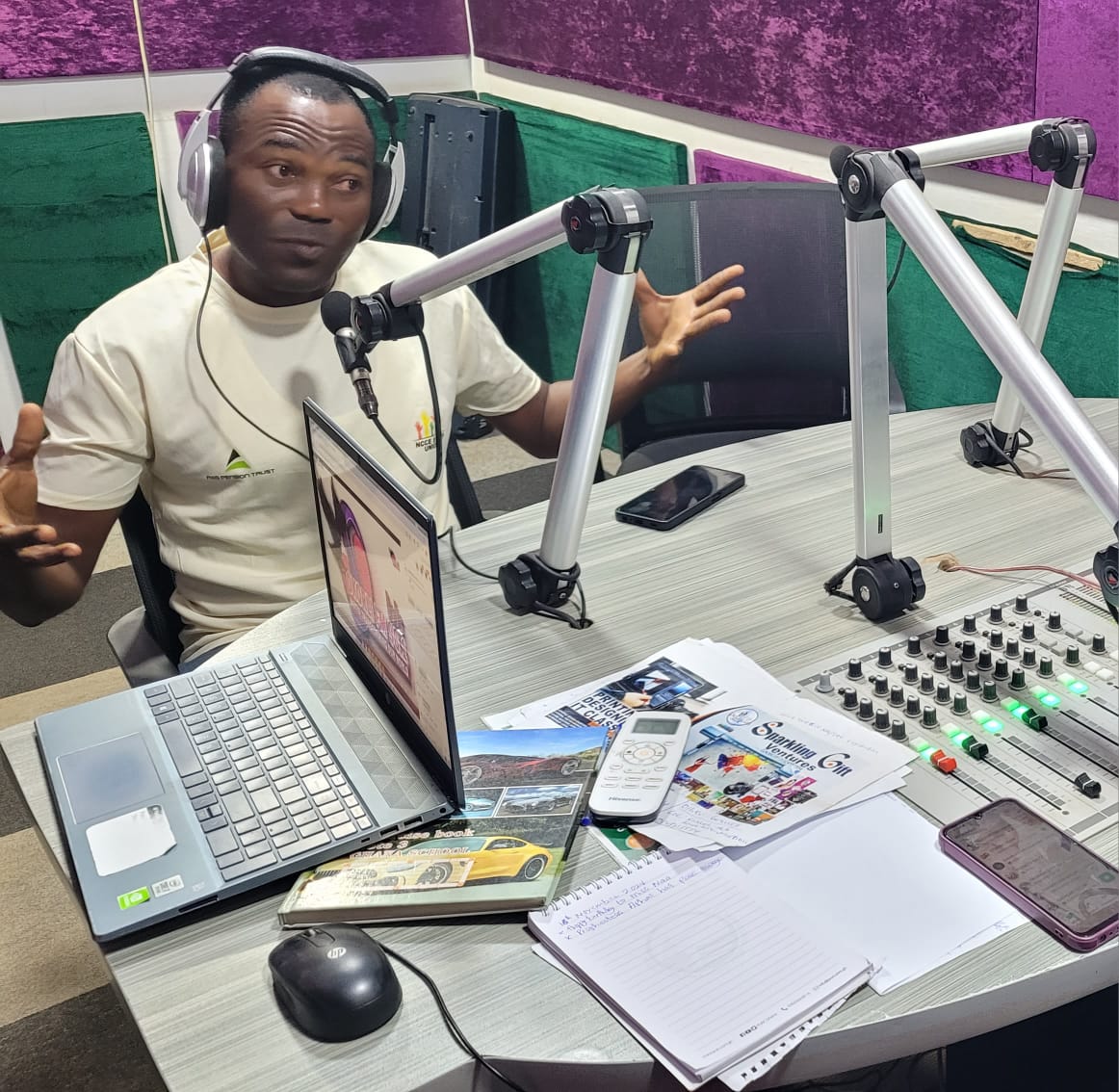
The series of engagements took place during the afternoon radio programme dubbed "Time With The Assembly" on Sege-based Okoli FM.
The Ada West District Director of the NCCE, Samuel Etsey, took listeners through key civic responsibilities expected of citizens under the local governance framework.
He urged residents to take their tax obligations seriously, explaining that tax payments remain a critical source of revenue for district assemblies to implement development projects, such as schools, health facilities, roads, sanitation, and water systems.
He emphasised that failure to pay taxes hinders local development and delays the provision of essential social services. According to him, taxation is not optional, but a civic duty enshrined in the 1992 Constitution, which every eligible citizen is required to fulfil.
Mr. Etsey further outlined the legal implications of tax evasion, noting that individuals or businesses that deliberately evade taxes may face penalties, fines, interest charges on unpaid amounts, and possible legal prosecution under Ghana’s revenue laws.
Delving into the Local Governance Act, 2016 (Act 936), Mr. Etsey intimated that it provides the legal framework for the administration of District Assemblies and decentralised governance in Ghana.
He highlighted that the Act empowers district assemblies to mobilise revenue and promote participatory development at the local level.
He also gave a detailed explanation of the functions of the Public Relations and Complaints Committee (PRCC), noting that the Committee plays a key role in strengthening accountability at the district level.
Touching on the responsibility of PRCC, he mentioned that the Committee is charged to educate the public on the activities of the District Assembly, promote transparency in governance, and investigate complaints against the District Chief Executive, Assembly Members, and staff of the Assembly.
He subsequently stated that the Committee addresses issues of administrative injustice, abuse of office, and failures of duty by public officials at the district level, while making recommendations for corrective action. He, however, reminded residents that the PRCC cannot investigate cases already before the courts or the Commission on Human Rights and Administrative Justice (CHRAJ).
Mr. Etsey, in his closing remarks, expressed appreciation for the platform, indicating that radio is a vital tool for civic education, especially in bridging the gap between the Assembly and the public. He urged residents to actively participate in local governance processes.
_
Follow us on our social media pages for more stories and posts from the NCCE.

https://www.instagram.com/nccegh/

https://www.facebook.com/nccegh/
Leave a comment