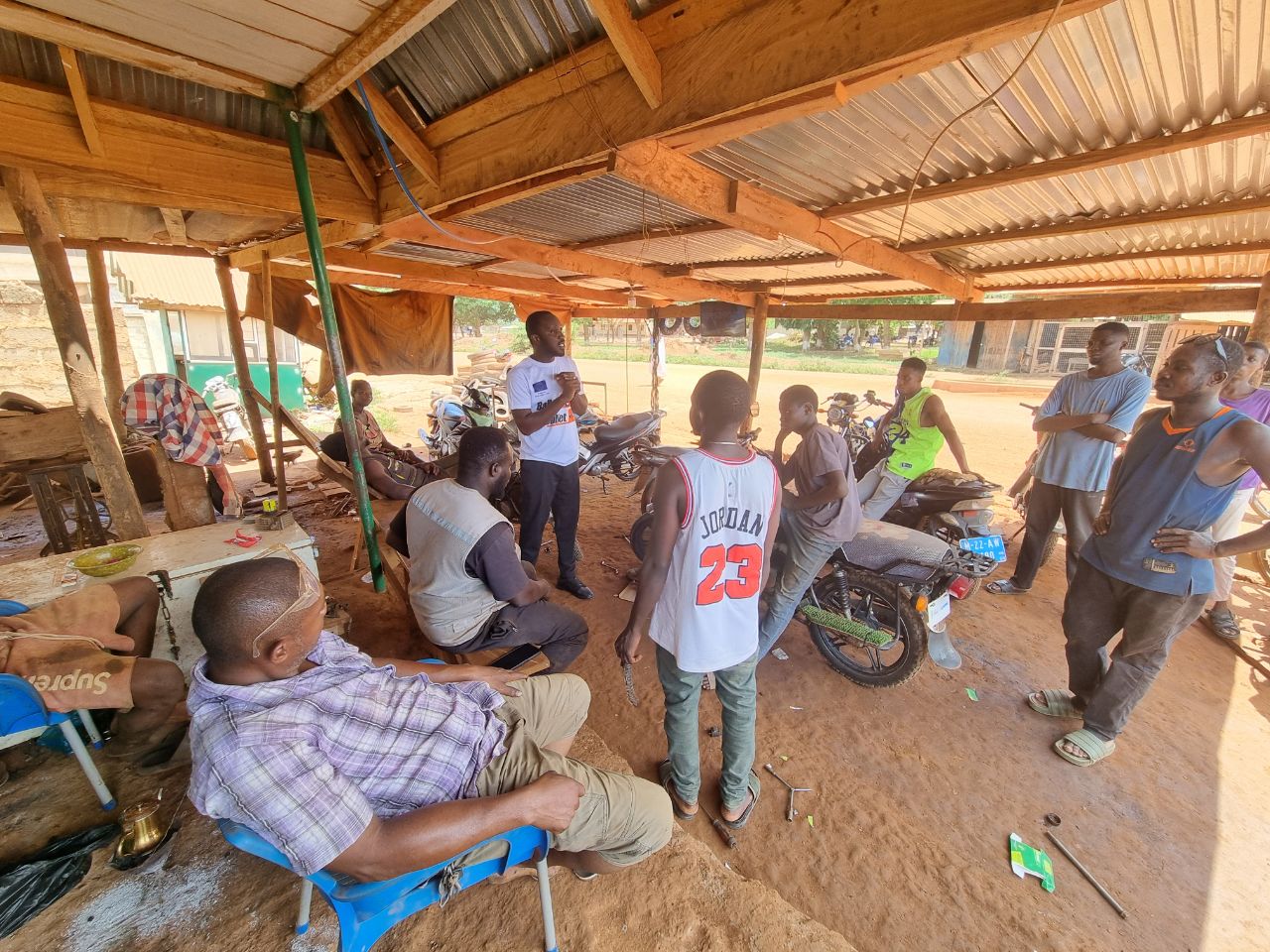
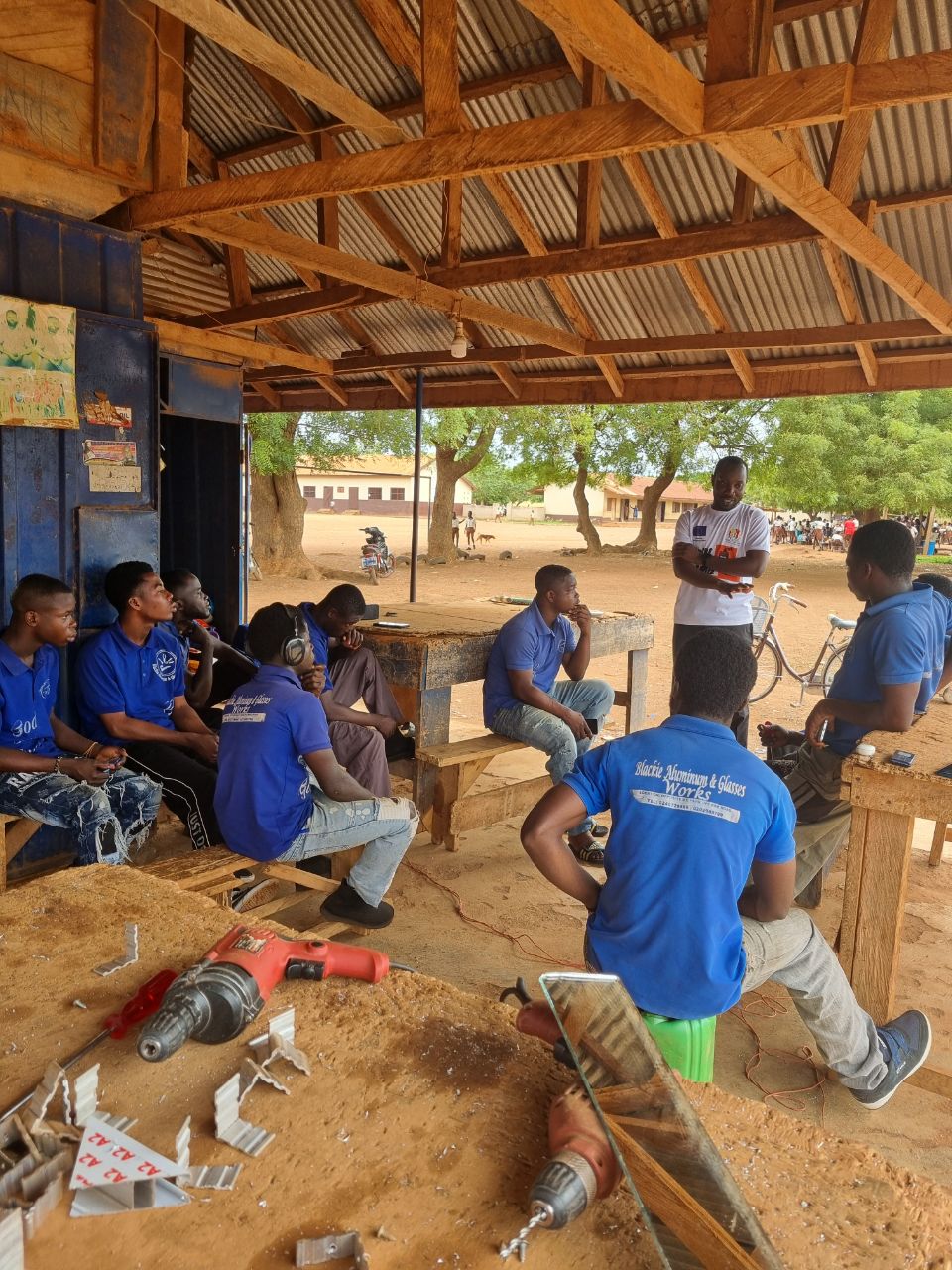
The Jaman South Municipal Directorate of the National Commission for Civic Education (NCCE) organized a series of civic engagements with identifiable socio-economic groups, including hairdressers, dressmakers, and artisans, as part of activities marking the 2026 Constitution Week Celebration.
The program, held between 11th and 22nd May within the municipality, brought together participants to commemorate Ghana’s return to constitutional democracy under the theme, “Upholding Our Constitution in the Digital Age: Our Collective Responsibility.”
The engagements aimed to strengthen participants’ understanding of the 1992 Constitution while promoting responsible and safe use of digital platforms. Addressing the various gatherings, the Municipal Director of NCCE, Mr. Emmanuel Oduro, reminded participants that the rights, liberties, and freedoms guaranteed under the Constitution are closely linked to civic responsibilities.
He urged citizens to protect the rights of others, promote political and religious tolerance, and reject hate speech and divisive language both online and offline in order to safeguard Ghana’s democratic gains.
Mr. Oduro further explained that although digital platforms and internet access have improved communication, business activities, and information sharing in Ghana, they have also contributed to the growing spread of misinformation, disinformation, and cybercrime. According to him, these digital threats pose serious risks to national security, democratic governance, and social cohesion.
As part of efforts to deepen public awareness on digital safety and civic responsibility, Mr. Matthew Dzoboku, a Civic Education Officer at the Jaman South NCCE Directorate, stated that Ghana has made significant progress in addressing cyber-related crimes through legal frameworks such as the Cybersecurity Act, 2020 (Act 1038).
He explained that the law was enacted to protect personal data, curb online abuse, and impose sanctions on offences such as identity theft, fake news dissemination, and online harassment. Mr. Dzoboku emphasized that beyond legislation, citizens themselves remain the first line of defense in creating a safe and responsible digital environment.
He therefore encouraged participants to promote digital literacy within their communities and contribute towards maintaining a peaceful, informed, and responsible online space.


_
Follow us on our social media pages for more stories and posts from the NCCE.

https://www.instagram.com/nccegh/

https://www.facebook.com/nccegh/
Leave a comment