Sekondi - As social media continues to shape how people communicate, learn and interact, the National Commission for Civic Education (NCCE) has urged citizens to be more responsible in their use of digital platforms and guard against online abuse.
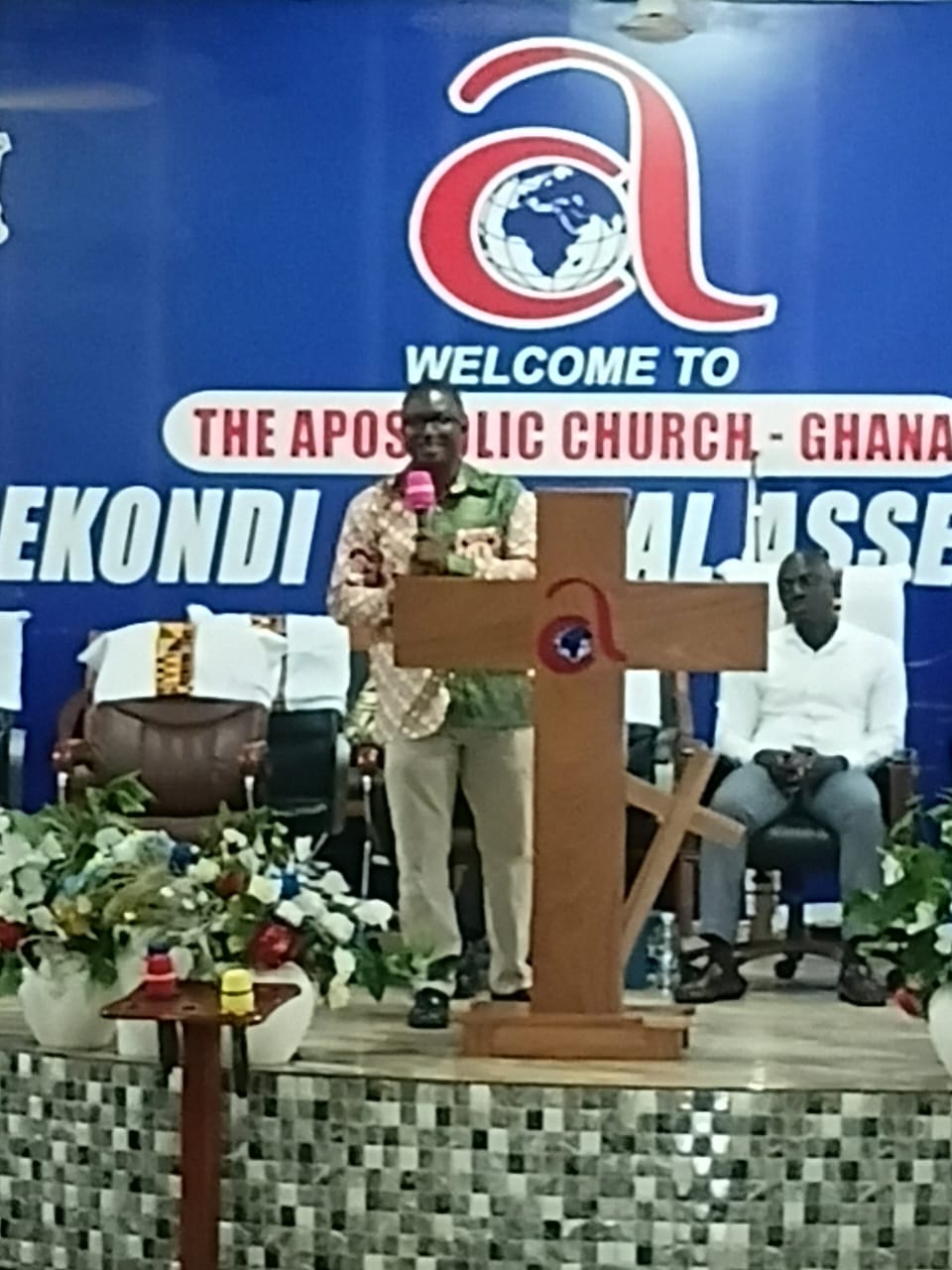
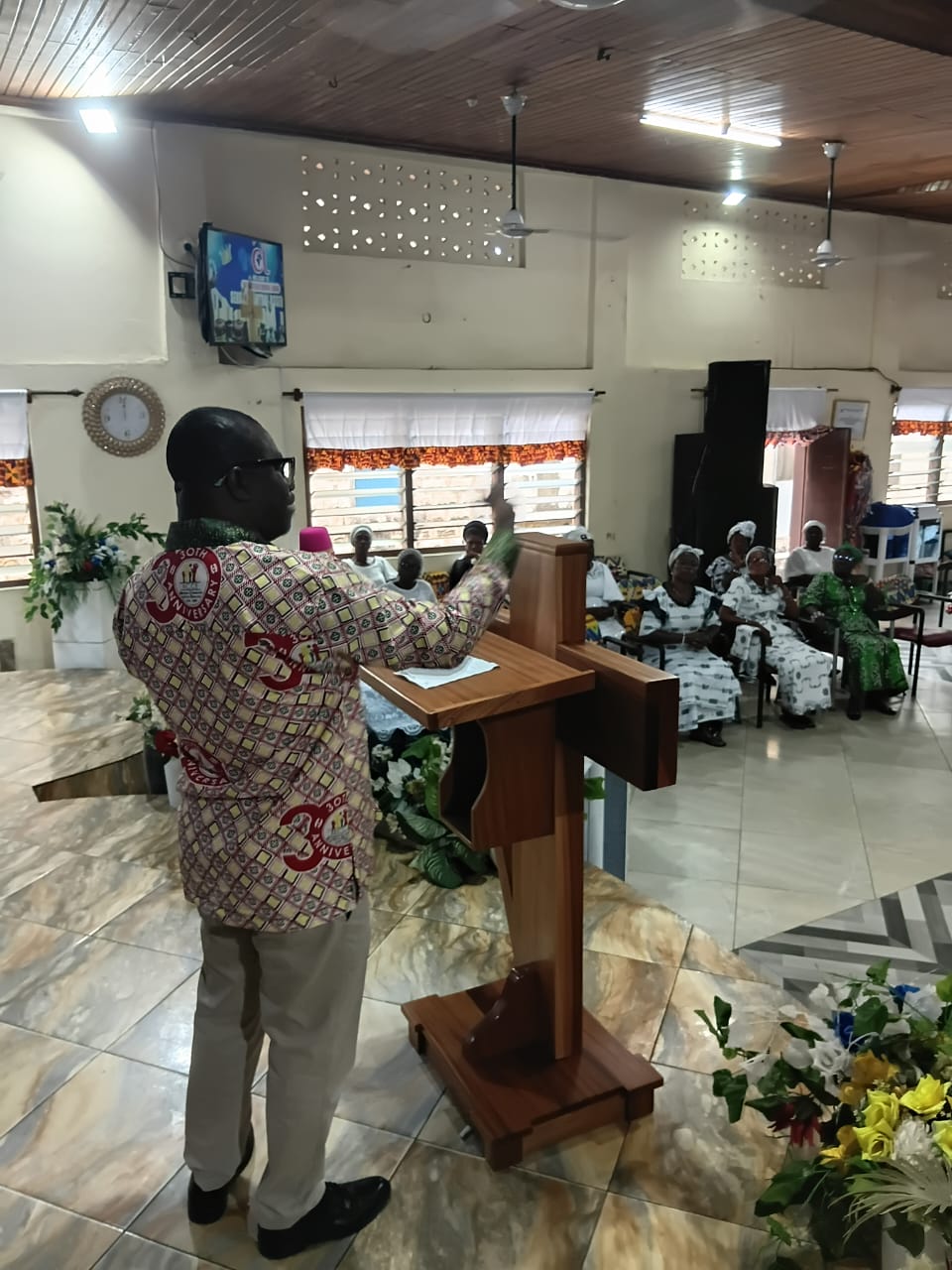
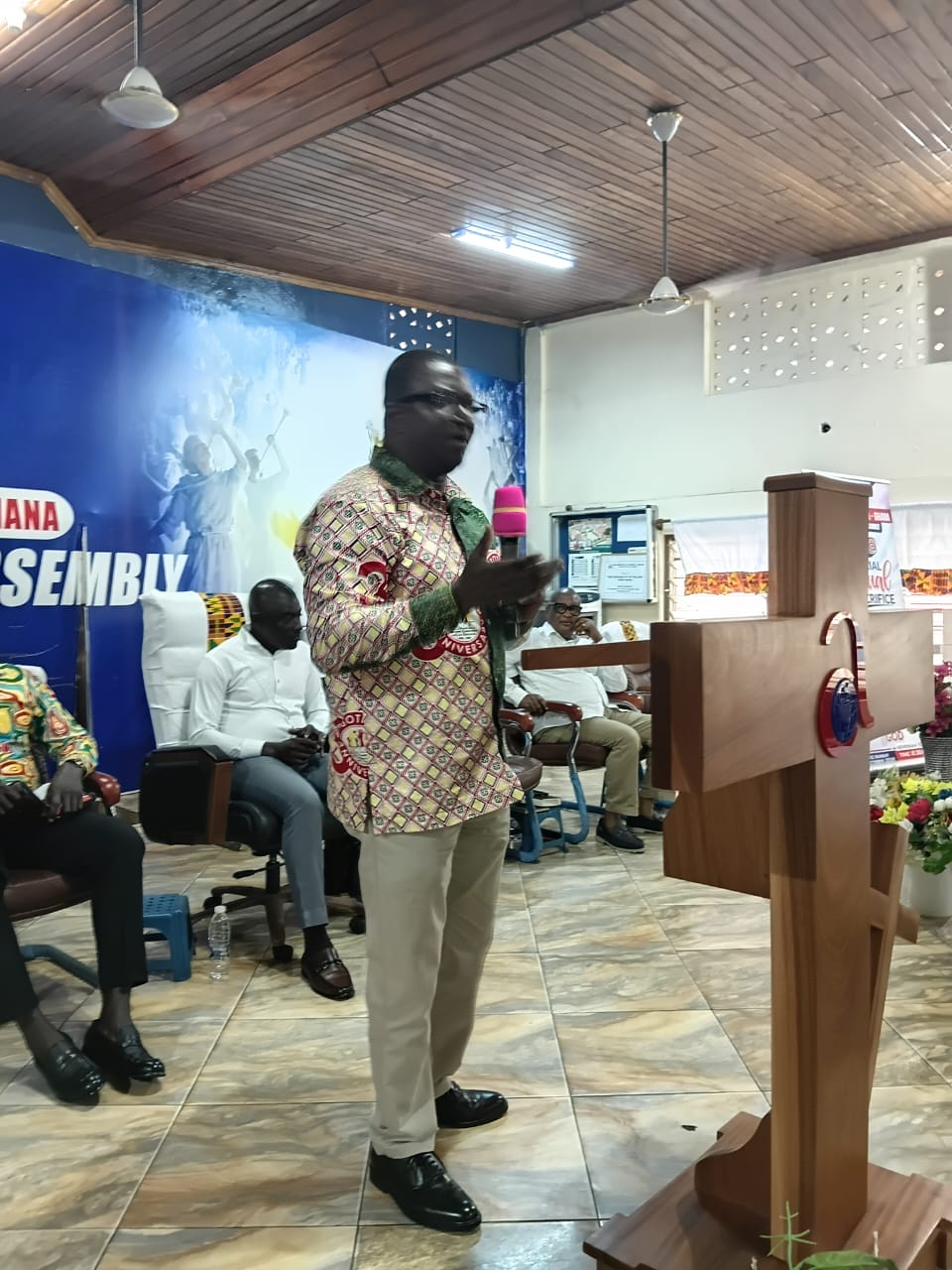
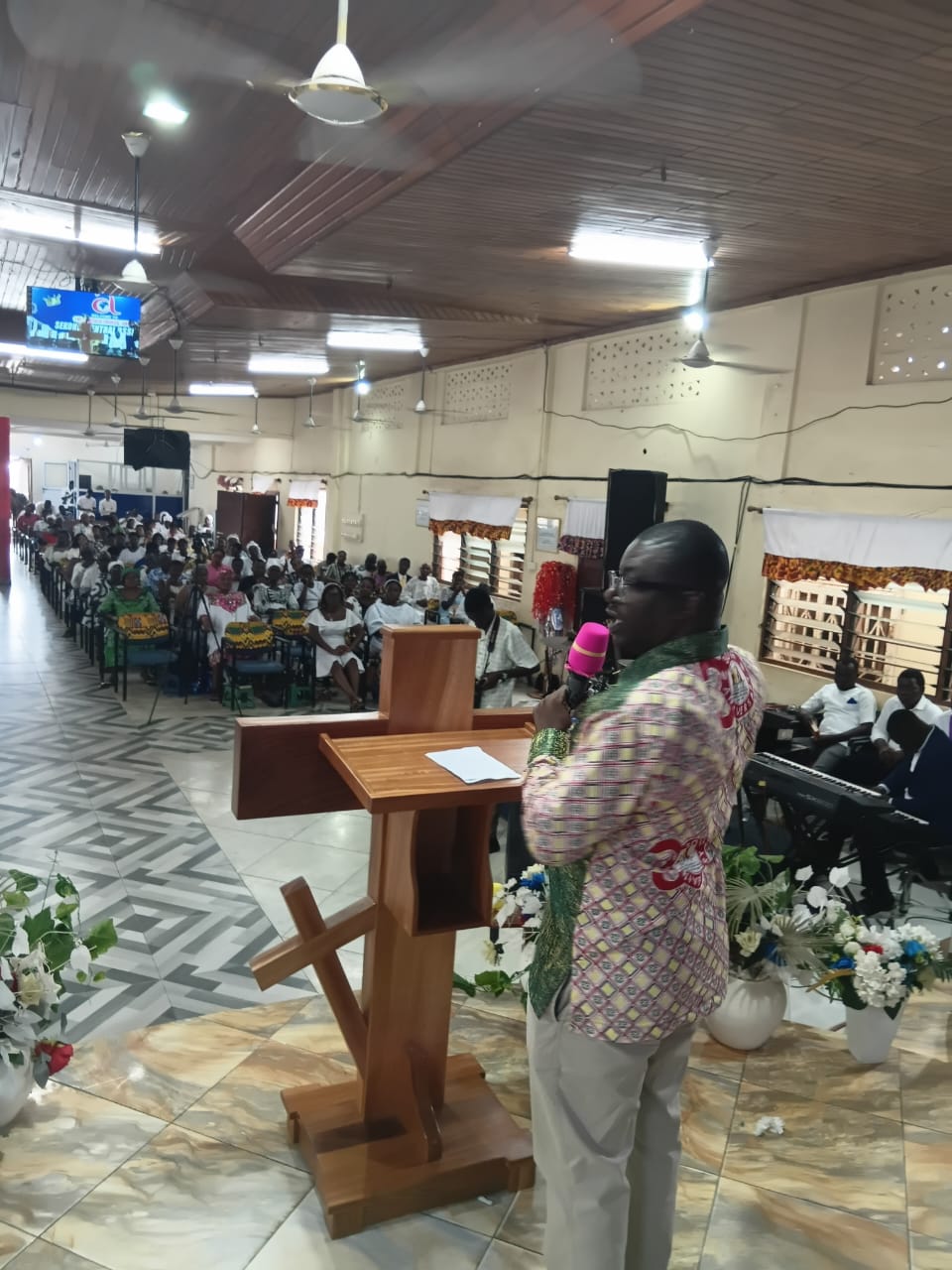
The Western Regional Office of the NCCE made the call when it engaged members of the Apostolic Church-Ghana at the church’s auditorium in Sekondi as part of its ongoing public education on responsible digital citizenship.
The civic education forum attracted 150 participants, comprising 50 males and 100 females, who were taken through the effects of social media misuse and the need to uphold Ghana’s constitutional values in the digital space.
Addressing the congregation, the Western Regional Director of the NCCE, Mr Andrews Ofori Larbi, explained the mandate of the Commission as provided under Chapter 19 of the 1992 Constitution of Ghana. He also highlighted the Commission’s 2026 theme, “Upholding Our Constitution in a Digital Age: Our Collective Responsibility,” stressing the shared responsibility of citizens in promoting responsible behaviour both online and offline.
Mr Ofori Larbi cautioned participants about the dangers associated with excessive and irresponsible use of social media. He noted that prolonged exposure to online platforms could contribute to mental health challenges, including anxiety and depression.
He further explained that the carefully curated and idealized lifestyles often presented online could encourage unhealthy comparisons, potentially affecting users’ self-esteem and satisfaction with their bodies and lives.
The Regional Director also drew attention to the behavioral and social consequences of excessive social media use, particularly among young people. He noted that social media addiction could interfere with learning, concentration and productivity.
On online fraud, Mr Ofori Larbi cautioned congregants against using digital platforms to engage in fraudulent activities, reminding them that such acts constitute criminal offences under the Cybersecurity Act, 2020 (Act 1038) and could result in prosecution.
The engagement was highly interactive, with participants actively contributing to discussions and seeking clarification on issues surrounding online abuse, social media use, and responsible digital behaviour.
The programme reinforced the NCCE’s commitment to equipping citizens with the knowledge and values needed to navigate the digital space responsibly while protecting Ghana’s democratic and constitutional principles.


_
Follow us on our social media pages for more stories and posts from the NCCE.

https://www.instagram.com/nccegh/

https://www.facebook.com/nccegh/
https://www.youtube.com/channel/UCwajFJmmlmzRf1OMM.
Leave a comment