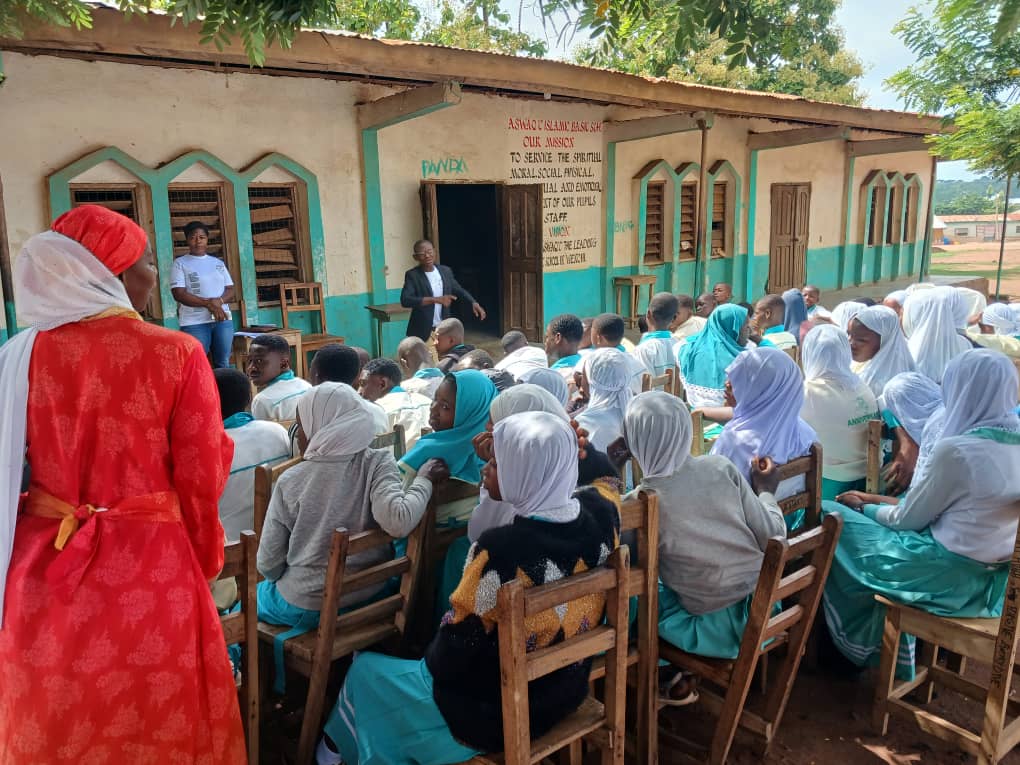
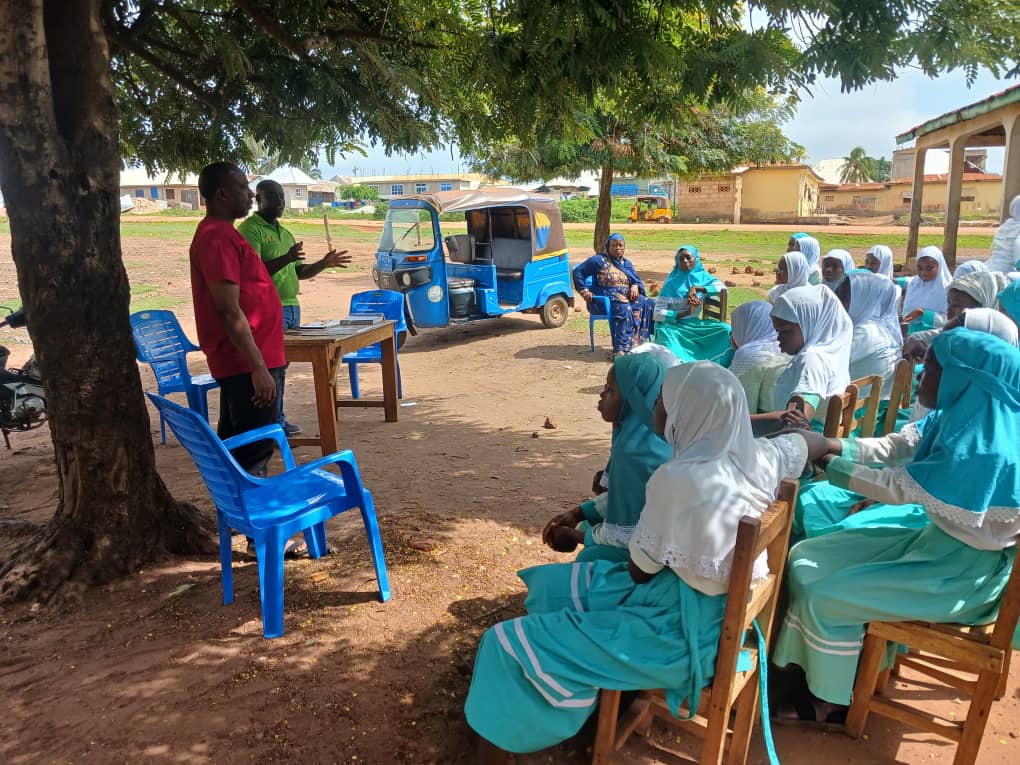
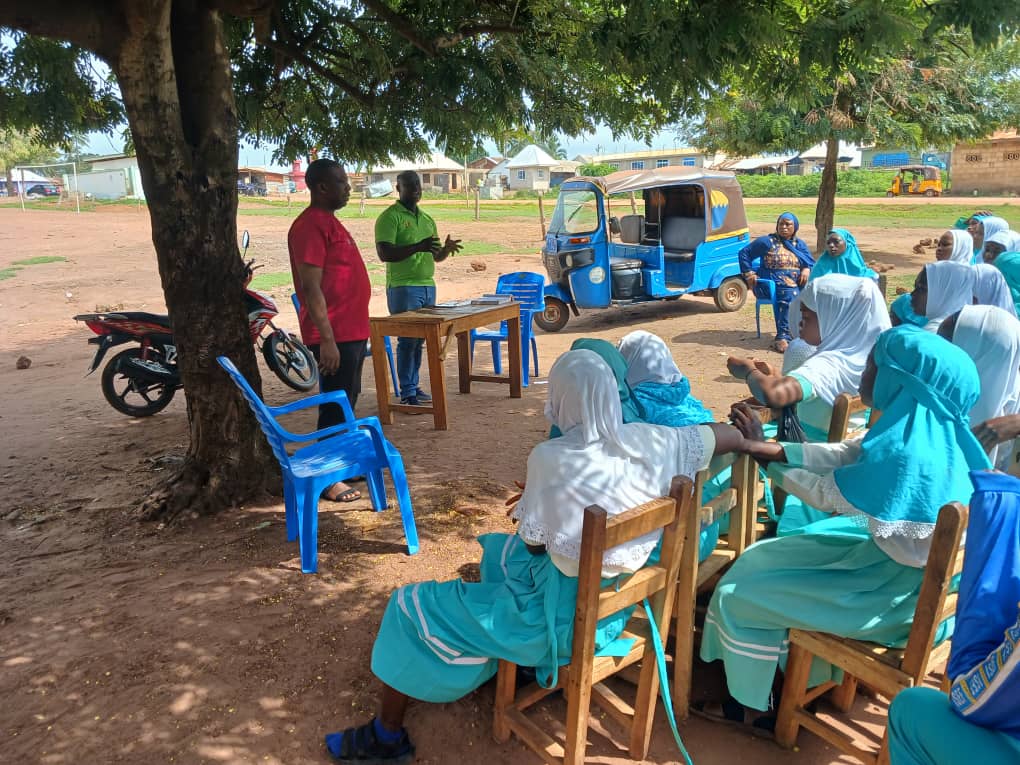
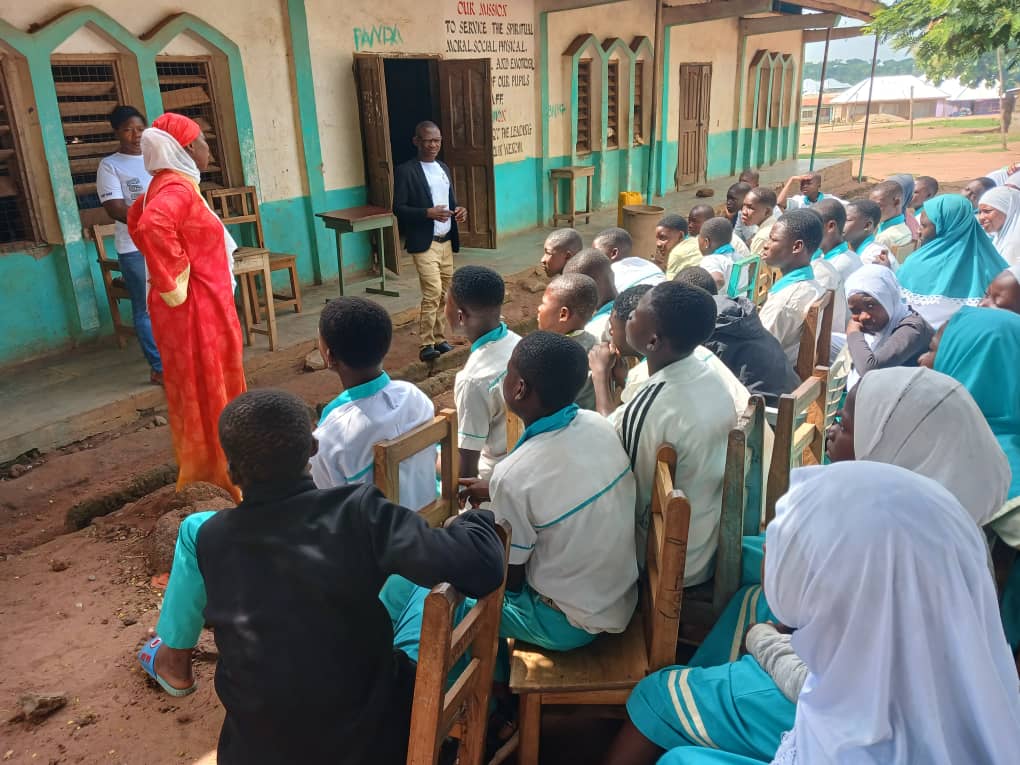
The Wenchi Municipal Office of the National Commission for Civic Education has engaged pupils of ASWAQ A, B and C Cluster of Schools as part of activities marking this year’s Annual Citizenship Week Celebration.
The sensitisation session focused on the theme, “Upholding Our Constitution in a Digital Age: Our Collective Responsibility,” with the sub-theme, “Growing Up Digital: The Ghanaian Child Upholding the Constitution Online.” The engagement sought to educate pupils on their rights, responsibilities, and expected conduct in the digital space.
With digital technology increasingly shaping how children learn, communicate, and interact, the NCCE used the occasion to remind pupils that constitutional values must guide their behaviour both offline and online. The pupils were encouraged to understand that the internet is not a lawless space and that the rights and responsibilities provided under the 1992 Constitution also apply to their digital interactions.
During the session, NCCE officials explained that while the Constitution guarantees fundamental rights, those rights come with corresponding responsibilities. Pupils were reminded that freedom of expression must be exercised with respect for the rights, dignity, privacy, and reputation of others.
The officials also drew attention to Article 18(2) of the 1992 Constitution, which protects the privacy of citizens. They explained that in the digital space, this requires pupils to respect other people’s personal information, avoid sharing private details without consent, and refrain from circulating inappropriate or harmful content.
Addressing pupils of ASWAQ B, the Wenchi Municipal Director of the NCCE, Mr. Francis Cudjoe, urged them to reject misinformation, fake news, cyberbullying, insults, and other forms of irresponsible online behaviour. He noted that such practices can damage reputations, undermine individual dignity, and weaken national cohesion.
According to Mr. Cudjoe, the internet offers many opportunities for learning, creativity, communication, and national development, but it must be used with discipline and respect for the law. “The internet is a powerful tool for national development, but only if we use it with discipline and respect for the laws that bind us together as a people,” he said.
Pupils were further encouraged to verify information before sharing it, avoid abusive language online, protect their personal data, and report harmful online activities to parents, teachers, or trusted adults. They were also reminded to use digital platforms for positive purposes such as learning, research, creativity, and peaceful communication.
The engagement formed part of the NCCE’s continuous efforts to instil civic values, constitutional awareness, responsible citizenship, and patriotism among young people. It ended with a call on pupils to become responsible digital citizens who uphold the Constitution, respect others, and contribute positively to Ghana’s democratic development.
_
Follow us on our social media pages for more stories and posts from the NCCE.

https://www.instagram.com/nccegh/

https://www.facebook.com/nccegh/
Leave a comment