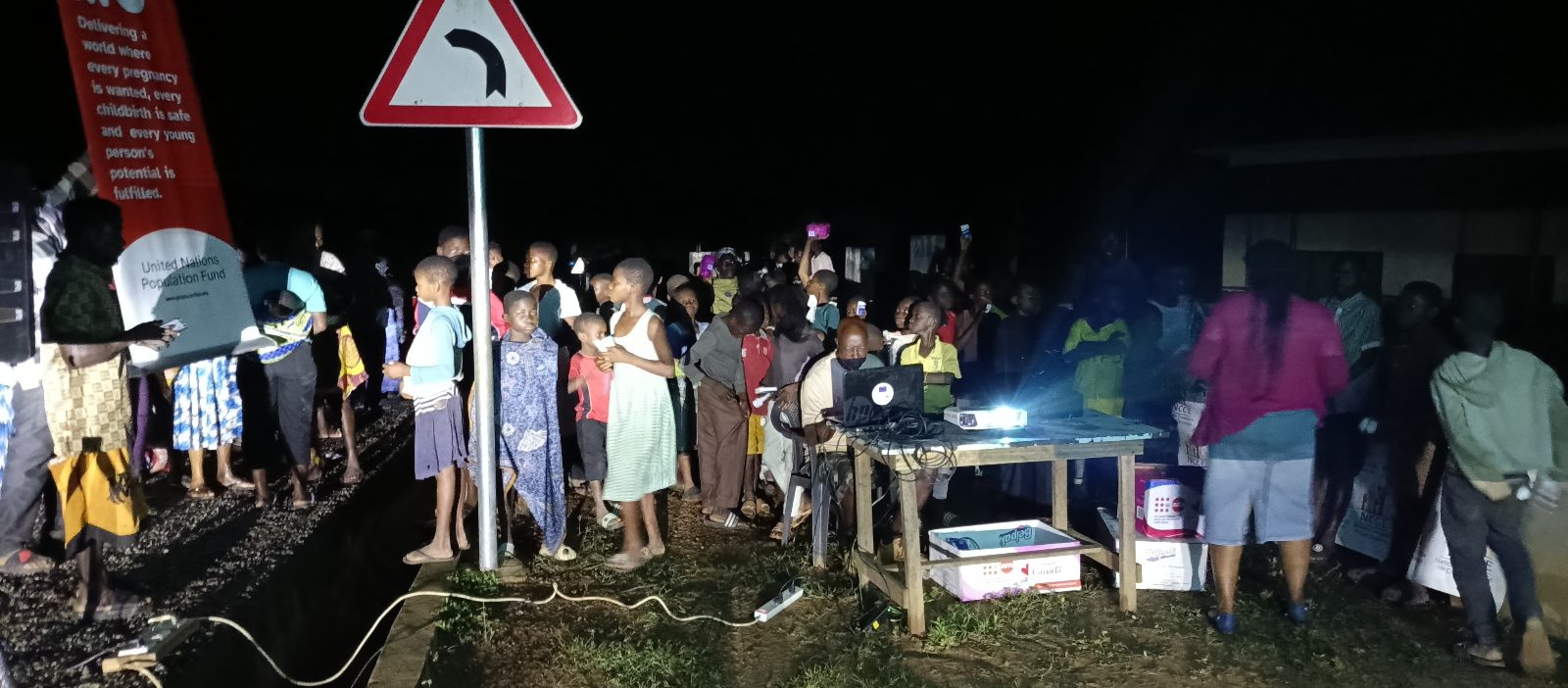
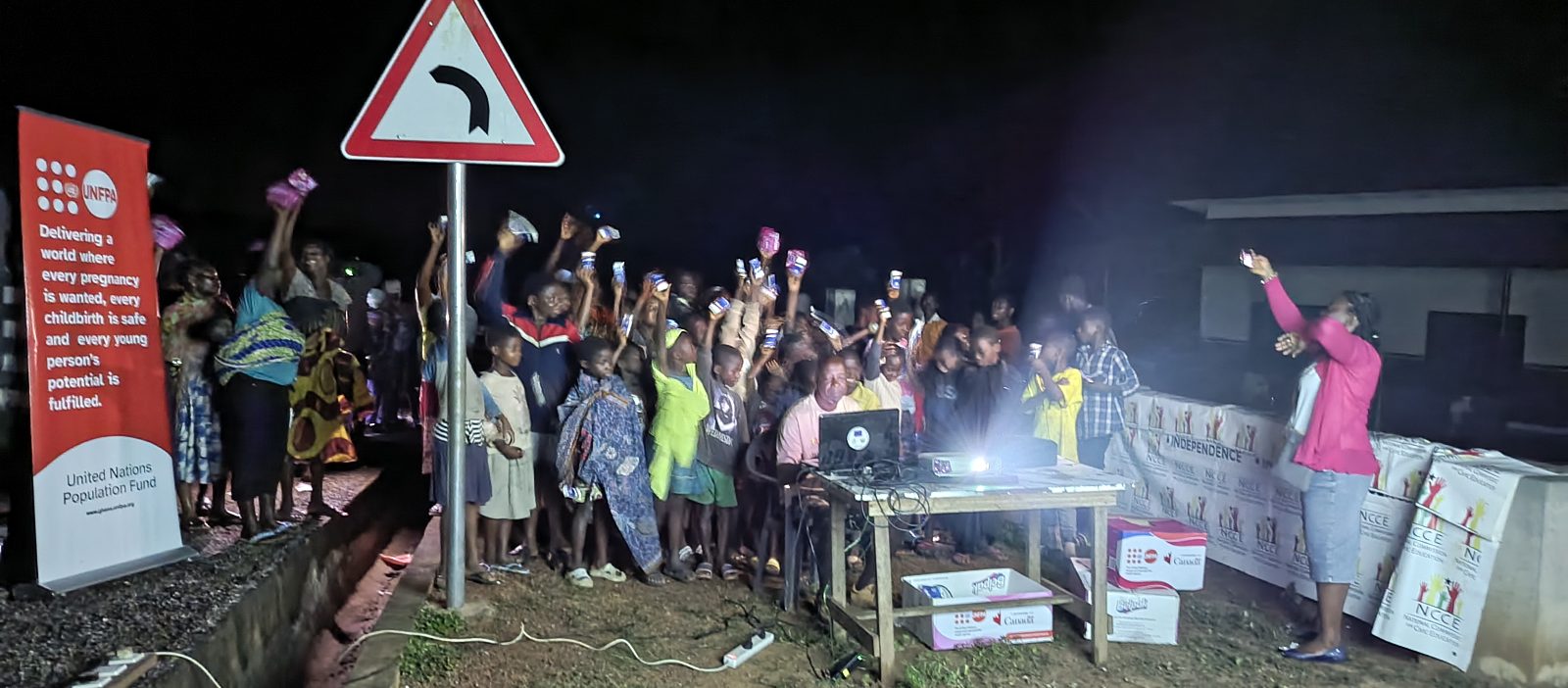
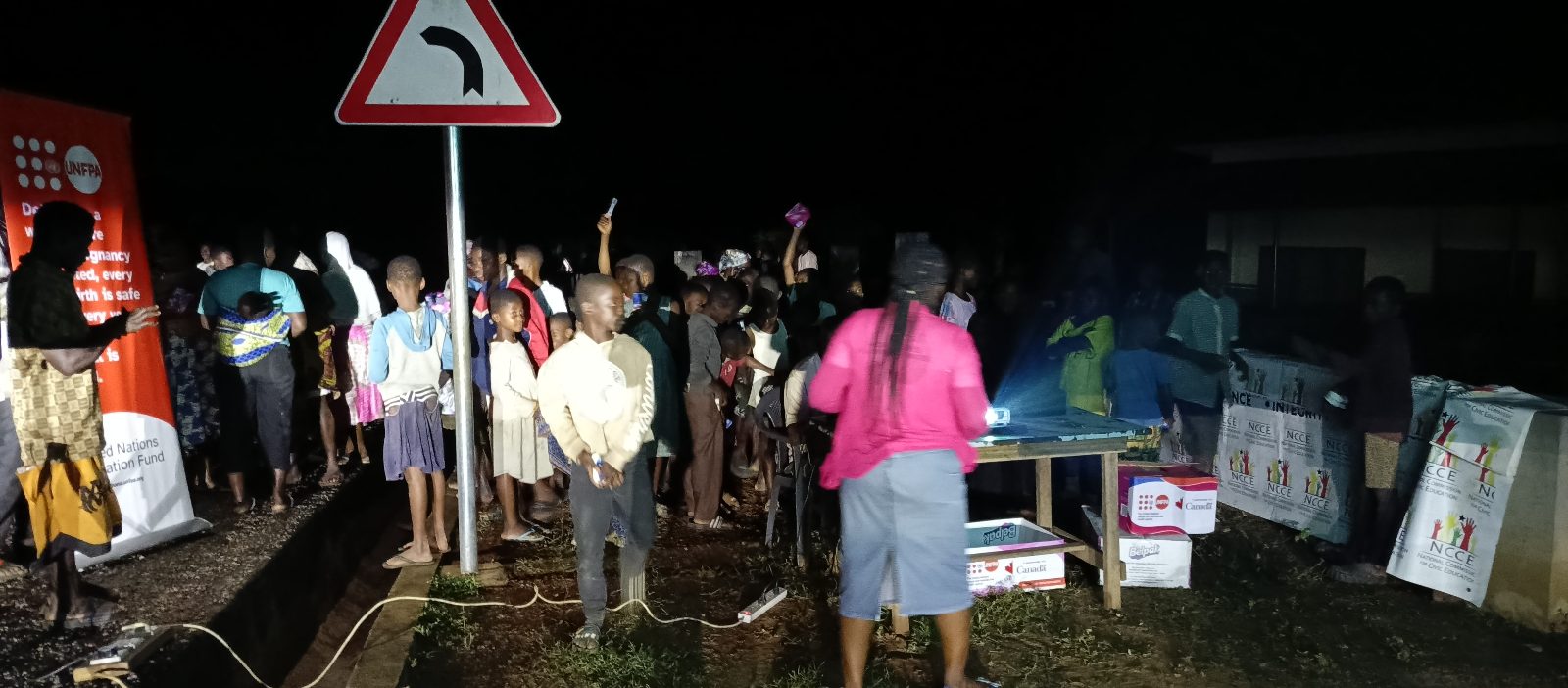
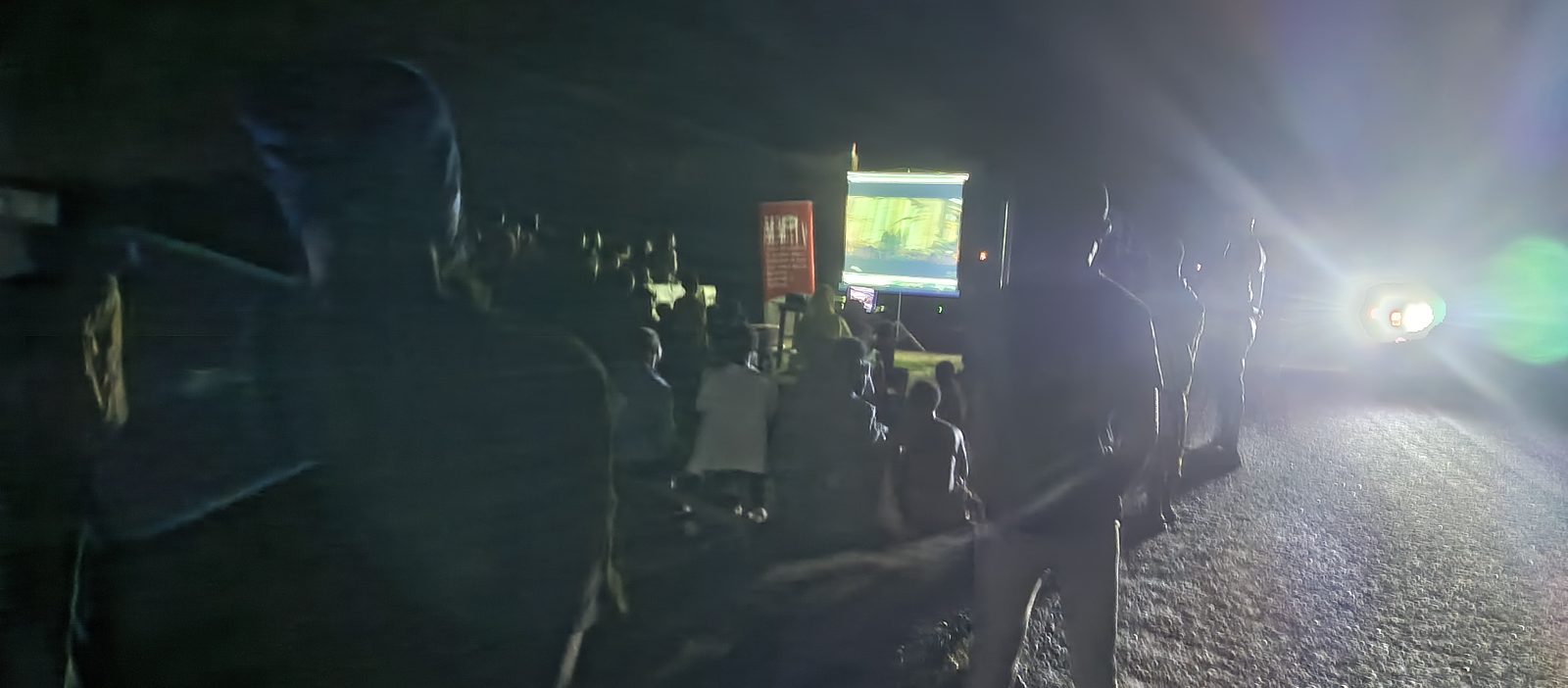
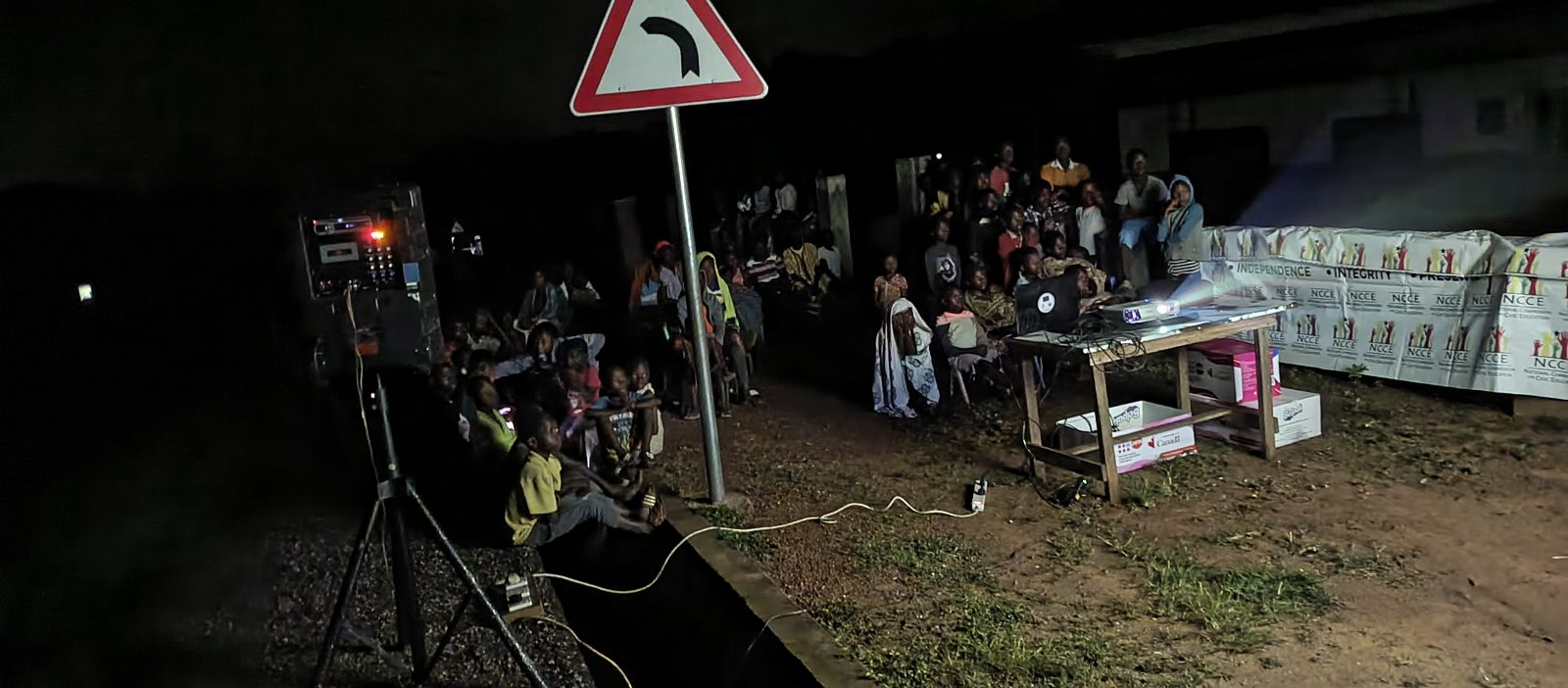
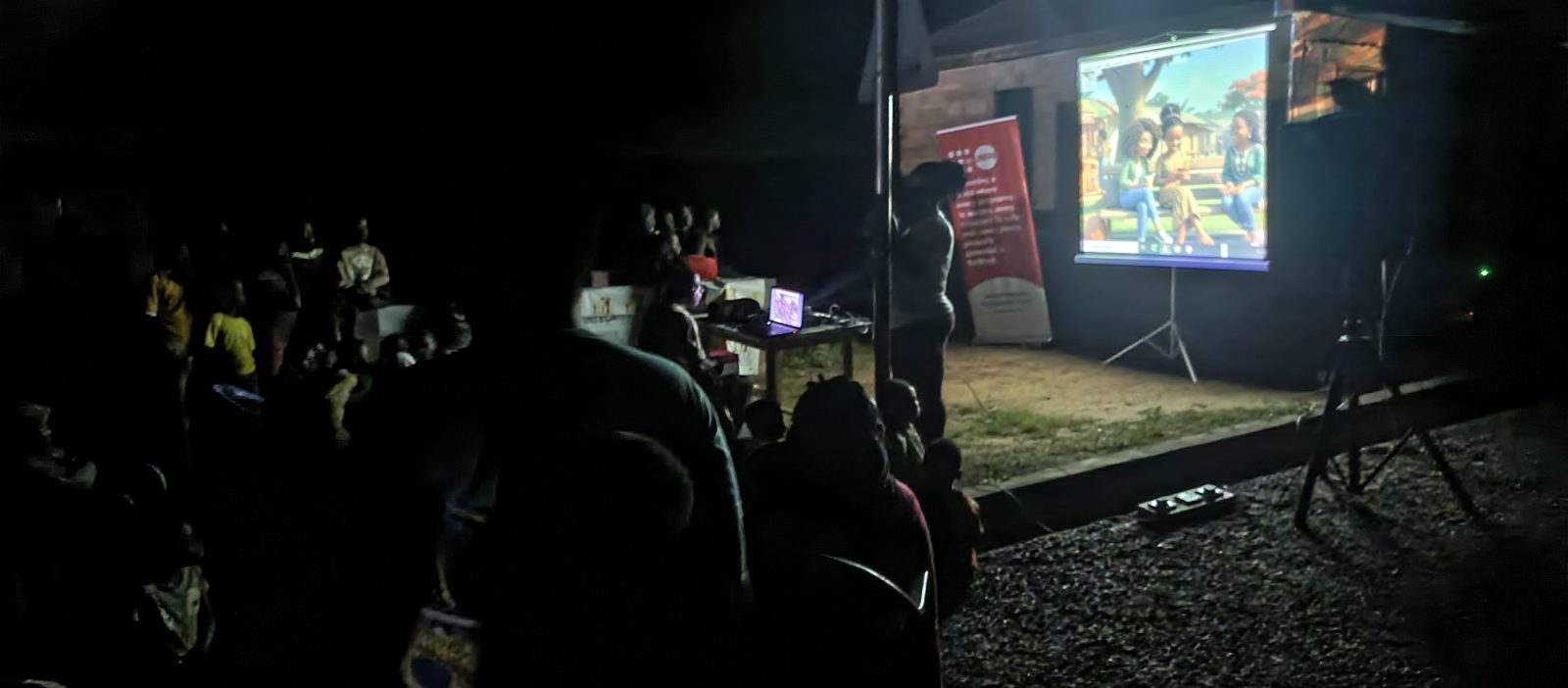
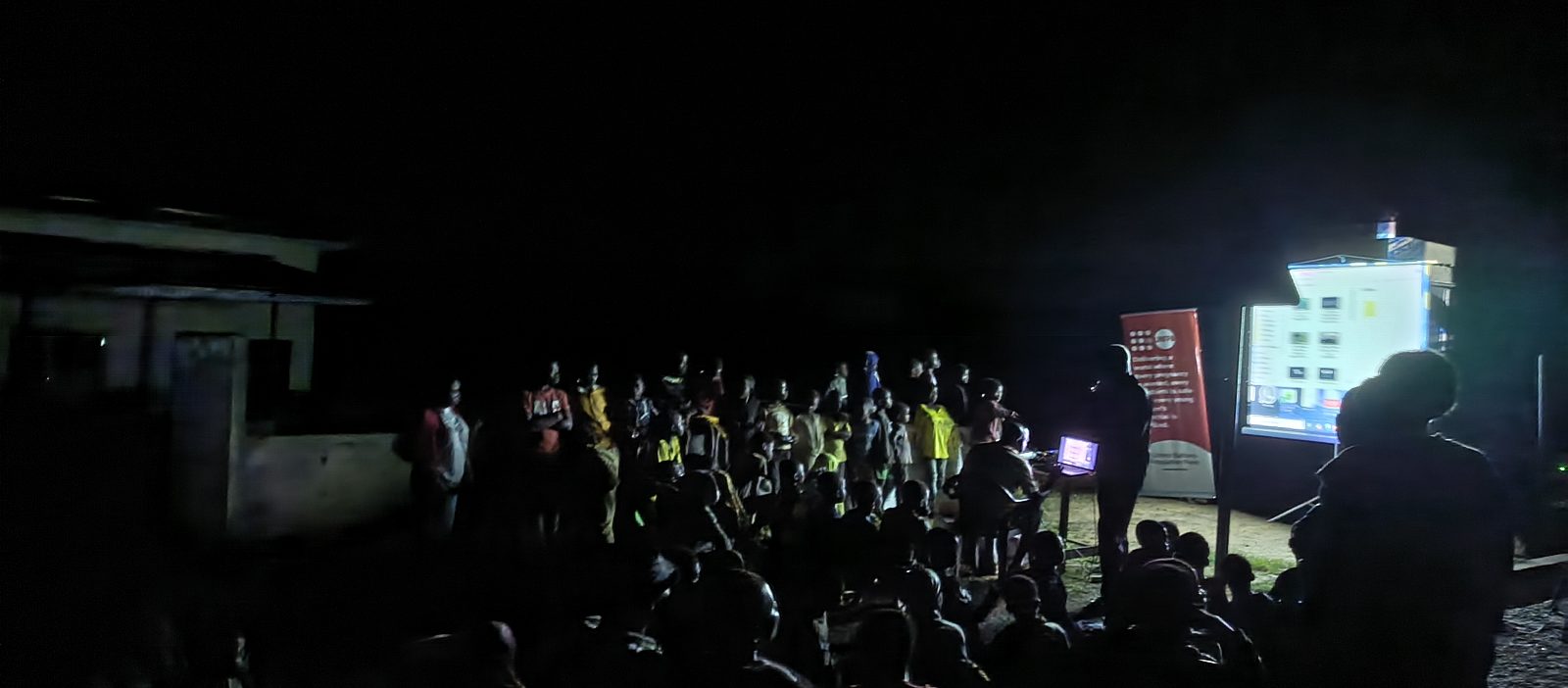
A community film screening at Apaah has brought conversations about adolescent health, gender equality and the prevention of gender-based violence closer to residents, with particular attention to helping young people make informed decisions and build respectful relationships. Organised by the National Commission for Civic Education (NCCE) in the Fanteakwa North District, the programme used film and discussions to encourage shared responsibility for the safety and well-being of adolescents.
Held under the theme, “Empowering Community and Youth for Adolescent Health, Gender Equality, and Preventing Gender-Based Violence,” the educational exercise was undertaken in partnership with the United Nations Population Fund (UNFPA), with financial support from Global Affairs Canada. It brought civic education into the community through an accessible format intended to engage both young people and other residents on issues affecting their everyday lives.
The screening provided a starting point for conversations about adolescent health, including the importance of making informed choices and adopting practices that protect personal well-being. Participants were encouraged to recognise the value of accurate health information and to approach sensitive concerns with care and responsibility. The discussions also drew attention to the role of families and community members in creating an environment in which adolescents feel safe, respected and supported.
Gender equality and respect for human rights featured prominently in the sensitisation. The programme emphasised that every person deserves dignity and fair treatment, regardless of gender, and that mutual understanding is essential to peaceful coexistence. Participants were encouraged to challenge harmful attitudes, treat one another with respect and contribute to a community where girls and boys have opportunities to develop their potential.
Attention was also given to the prevention of gender-based violence and the importance of healthy relationships. Through the film show and accompanying discussions, residents were encouraged to recognise behaviour that threatens the safety or dignity of others and to understand that preventing violence requires action beyond the individuals directly affected. The message highlighted the responsibility of families, peers and the wider community to promote non-violence, support those at risk and discourage abusive conduct.
As a practical complement to the education session, sanitary pads and pocket tissues were distributed to participants to support personal hygiene and reinforce the programme's health messages. The distribution linked the discussion of adolescent well-being to everyday needs and underscored the importance of giving young people both information and practical support.
The Apaah engagement reaffirmed the NCCE's commitment, together with its development partners, to taking civic and health education directly to communities. By bringing residents together around a film and a shared discussion, the initiative sought to encourage informed choices, greater gender equality and collective action to prevent gender-based violence.
_
Follow us on our social media pages for more stories and posts from the NCCE.

https://www.instagram.com/nccegh/

https://www.facebook.com/nccegh/
https://www.youtube.com/channel/UCwajFJmmlmzRf1OMM.
Leave a comment