The National Commission for Civic Education (NCCE), through its annual Citizenship Week Celebration (CWC), continues to provide a practical platform for nurturing civic awareness and responsible citizenship among school children. Over the years, the initiative has moved beyond classroom teaching to real-life engagements, helping young people understand governance, citizenship, and their role in national development.
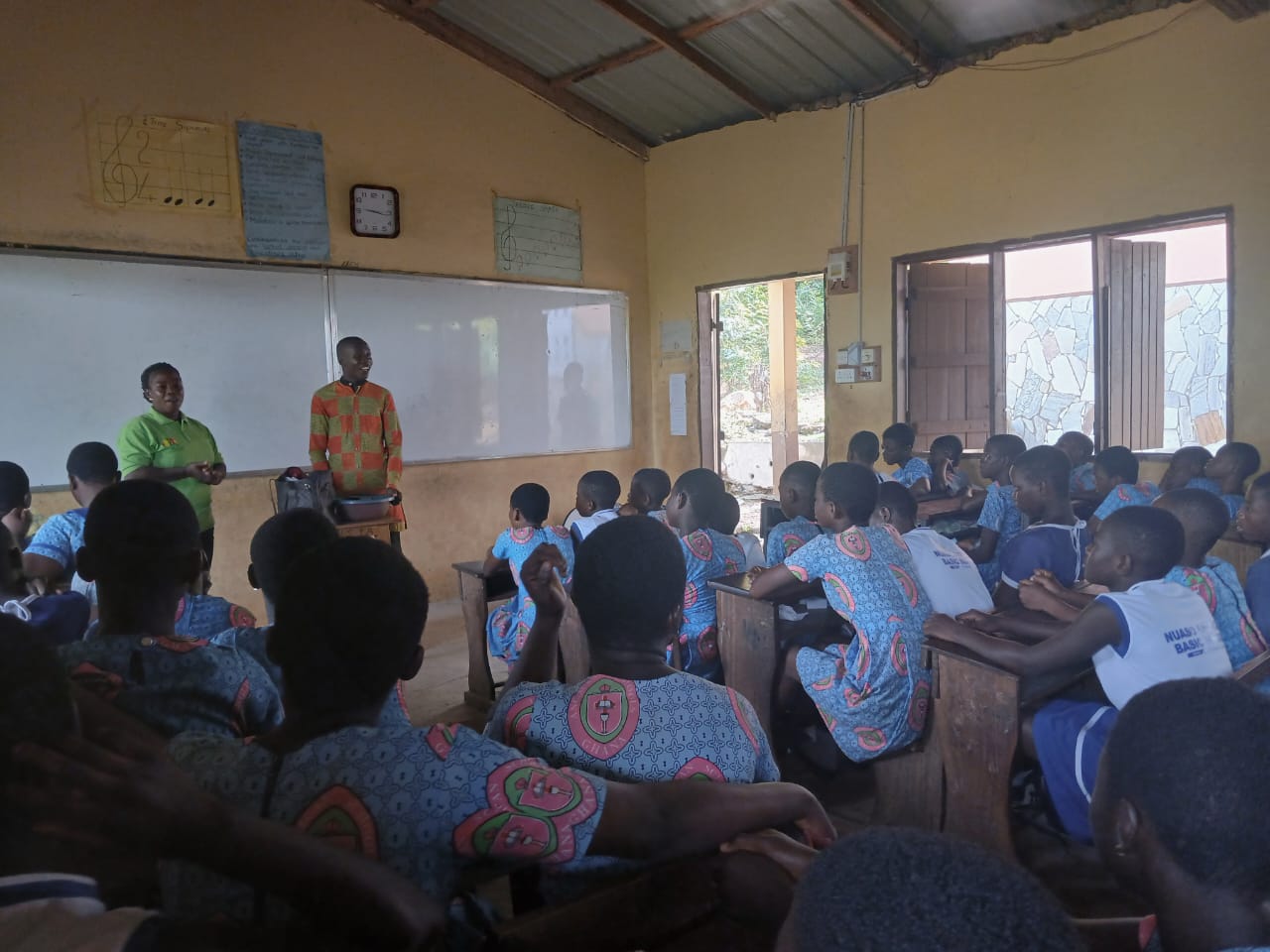
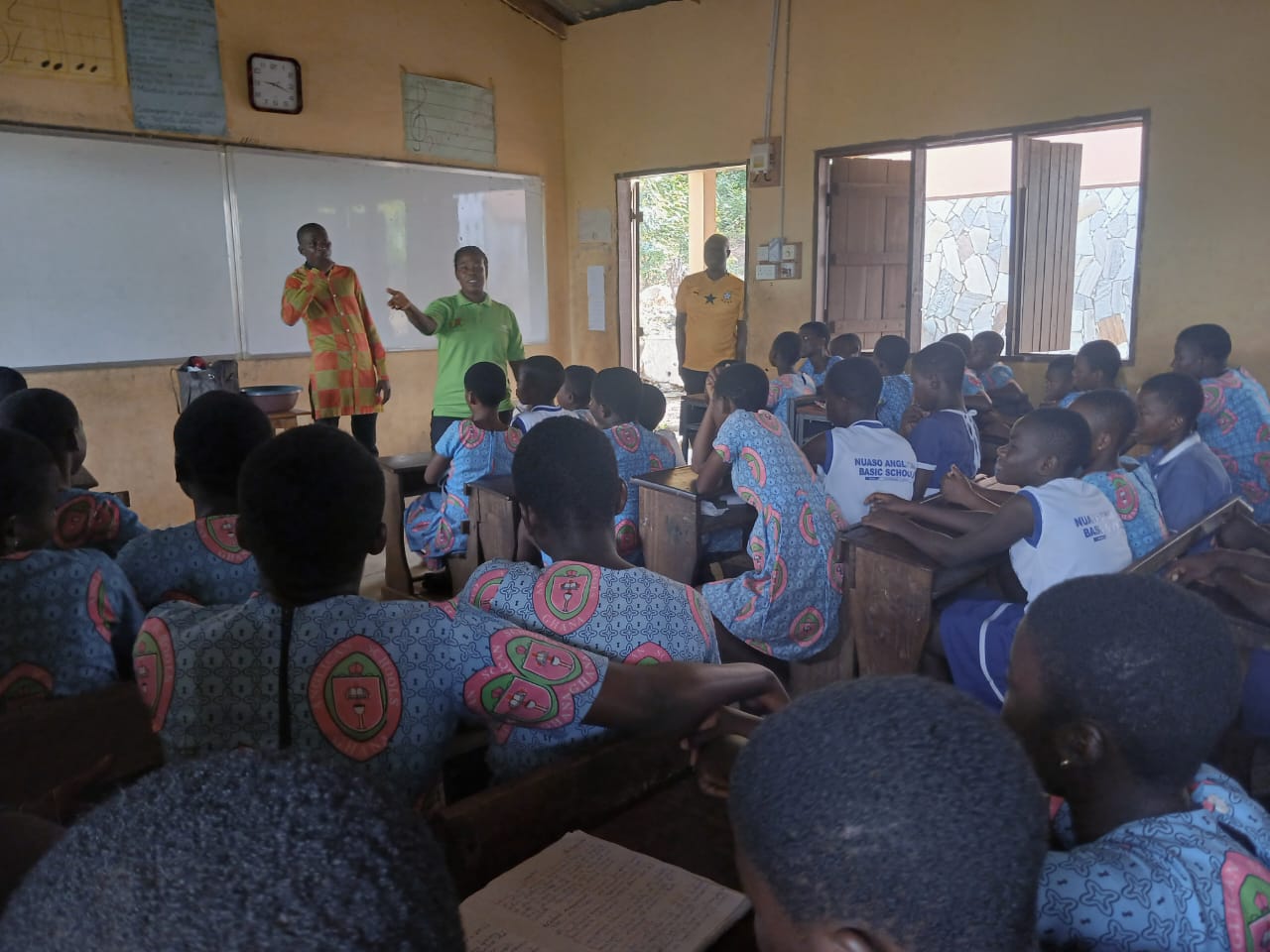
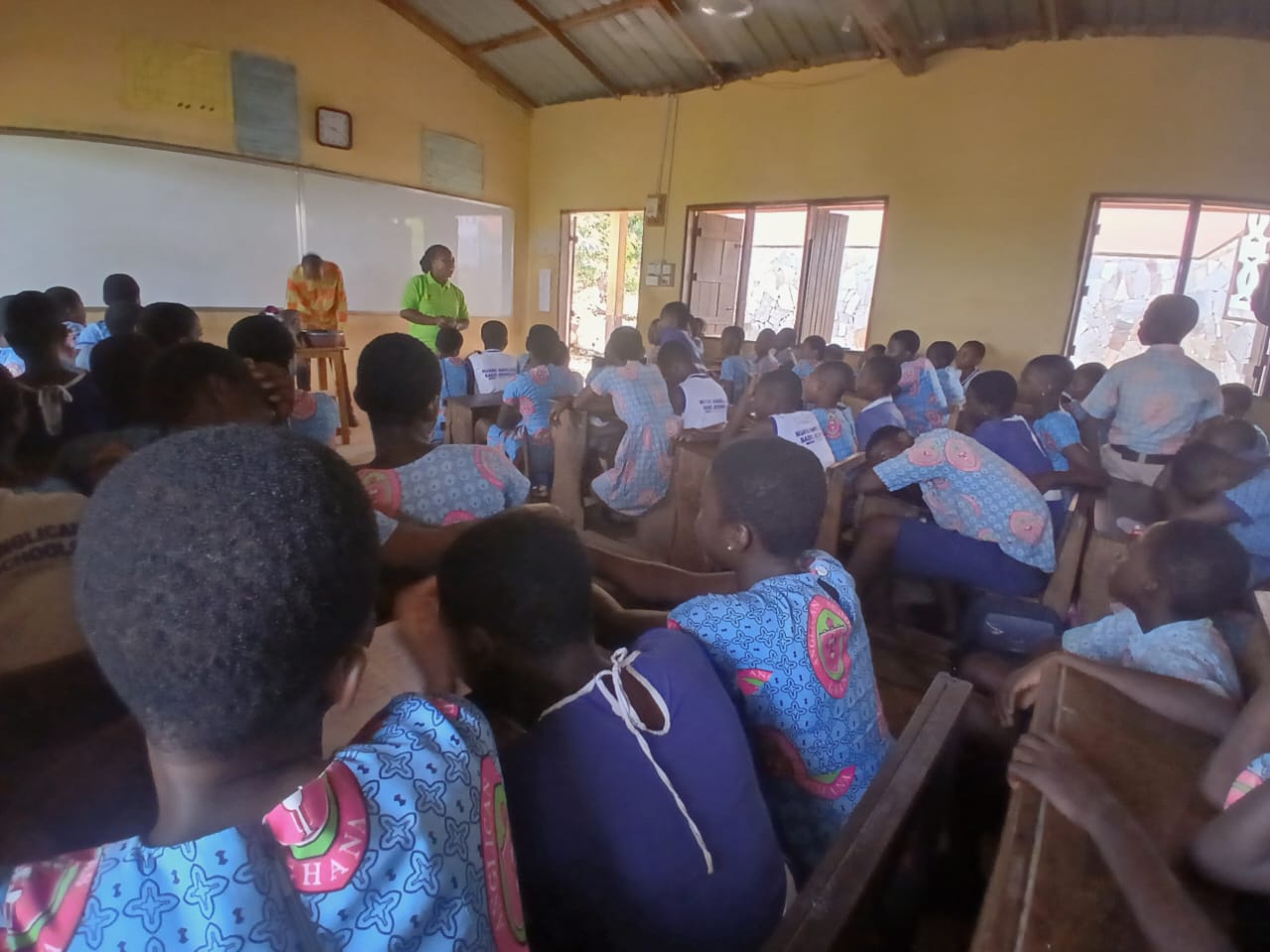
As part of the 2026 Citizenship Week Celebration, the Lower Manya Krobo Municipal Office of the NCCE engaged pupils in an educational programme under the sub-theme, “Growing Up Digital: The Ghanaian Child Upholding the Constitution Online.”
The programme was led by Ms. Doris K. Sackitey, Assistant Director of the NCCE, who welcomed participants and introduced the resource person, Mr. Gabriel Teye Tackie of the Information Services Department at the Lower Manya Krobo Municipal Assembly.
Delivering the presentation, Mr. Tackie explained that upholding the Constitution in the digital age means recognizing that activities in the online space are not separate from real life. He noted that while digital platforms offer opportunities for learning, creativity, communication, and global exposure, they also expose users to risks such as misinformation, cyberbullying, online scams, inappropriate content, and privacy breaches.
He observed that many children actively participate in online conversations without fully understanding the consequences of what they post, share, or engage with on social media. According to him, a simple comment, post, video, or forwarded message can influence public opinion, damage reputations, mislead others, or even create conflict.
To encourage critical thinking, Mr. Tackie engaged the pupils with a series of questions. He asked them to reflect on the content they share online by considering whether it is truthful, respectful, valuable, and beneficial. He further challenged them to think about the possible consequences of their online activities and whether their actions could harm or mislead others.
Transitioning to the legal framework that governs online conduct, the resource person explained that the 1992 Constitution, the Children's Act, and the Cybersecurity Act all emphasize one important principle: rights come with responsibilities. He stressed that responsible digital citizenship requires respecting others online, avoiding harmful or false content, protecting personal information, reporting abuse, and using digital platforms in ways that promote positive values.
As part of the discussion, Mr. Tackie shared a real-life example involving a relative who unknowingly became associated with an inappropriate online group through social media. He explained how the situation highlighted the dangers of accepting online invitations, joining unknown groups, and engaging with questionable content without proper scrutiny. He therefore urged the pupils to be cautious about the online communities they join and the information they consume.
The pupils were further encouraged to use technology positively by accessing educational materials, conducting research, participating in e-learning activities, and learning more about Ghana's Constitution and civic responsibilities through digital platforms.
Mr. Tackie emphasized that digital tools should serve as instruments for personal growth, academic excellence, and national development rather than avenues for harmful behaviour.
In his concluding remarks, he reminded the pupils that the future of Ghana's democracy depends largely on how well today's children understand and uphold the values enshrined in the Constitution. He encouraged them to become responsible digital citizens whose actions online reflect the principles of honesty, respect, responsibility, and patriotism.
The programme ended successfully, with pupils demonstrating a better understanding of responsible online behaviour and their role in upholding constitutional values in the digital age.
_
Follow us on our social media pages for more stories and posts from the NCCE.

https://www.instagram.com/nccegh/

https://www.facebook.com/nccegh/
Leave a comment