As digital platforms become an integral part of students’ daily lives, the National Commission for Civic Education (NCCE) has intensified efforts to educate young people on safe internet practices, warning against the growing dangers of cyberbullying, online harassment and the circulation of inappropriate content.
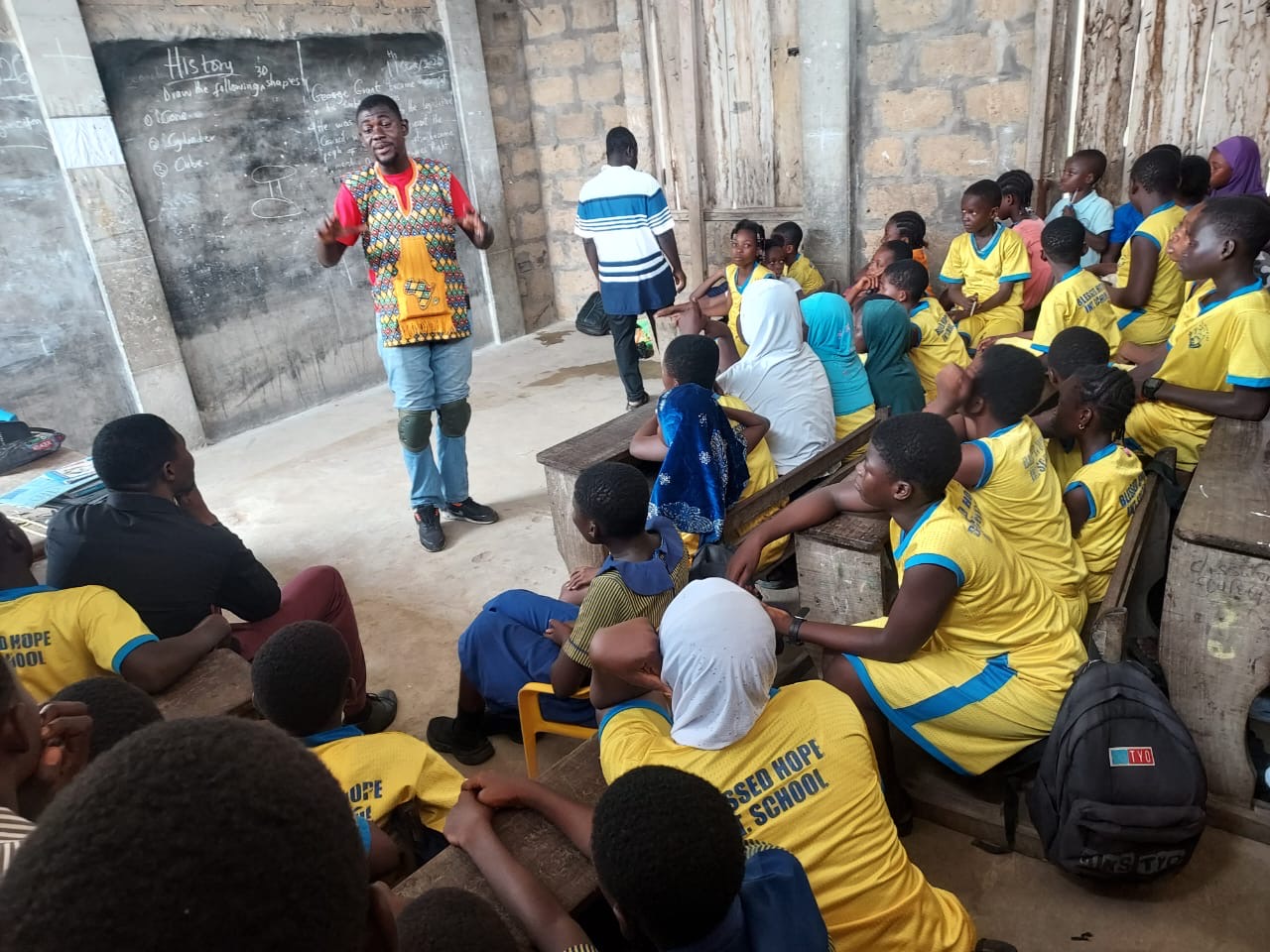
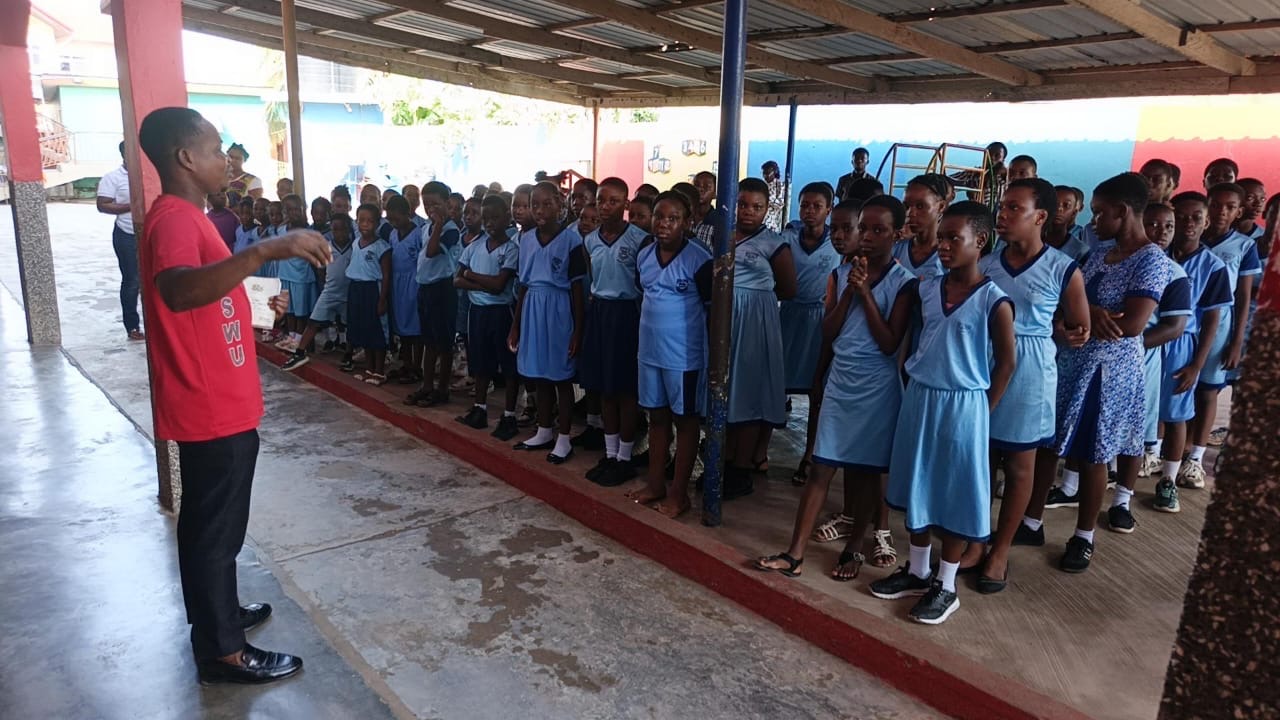
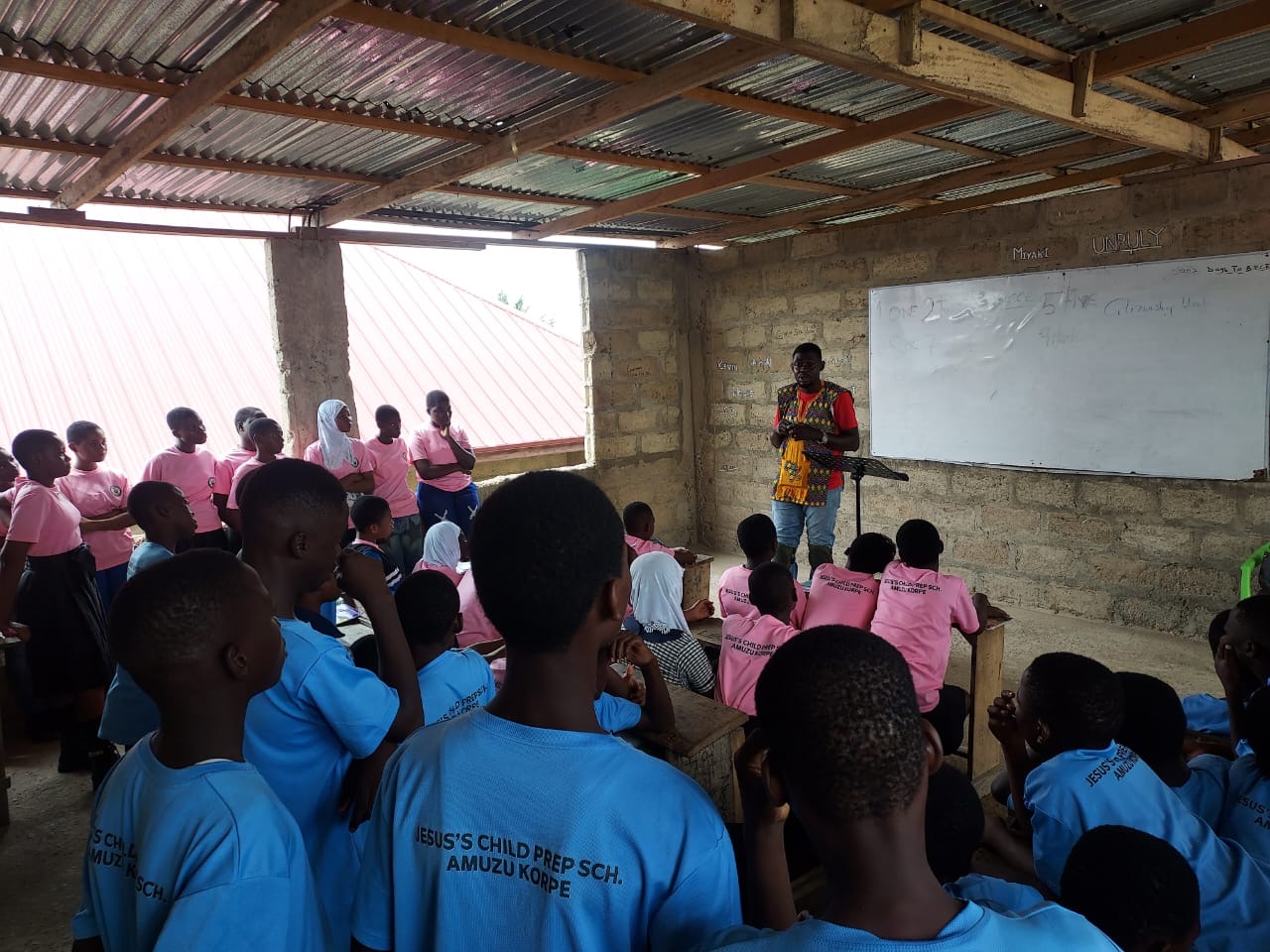
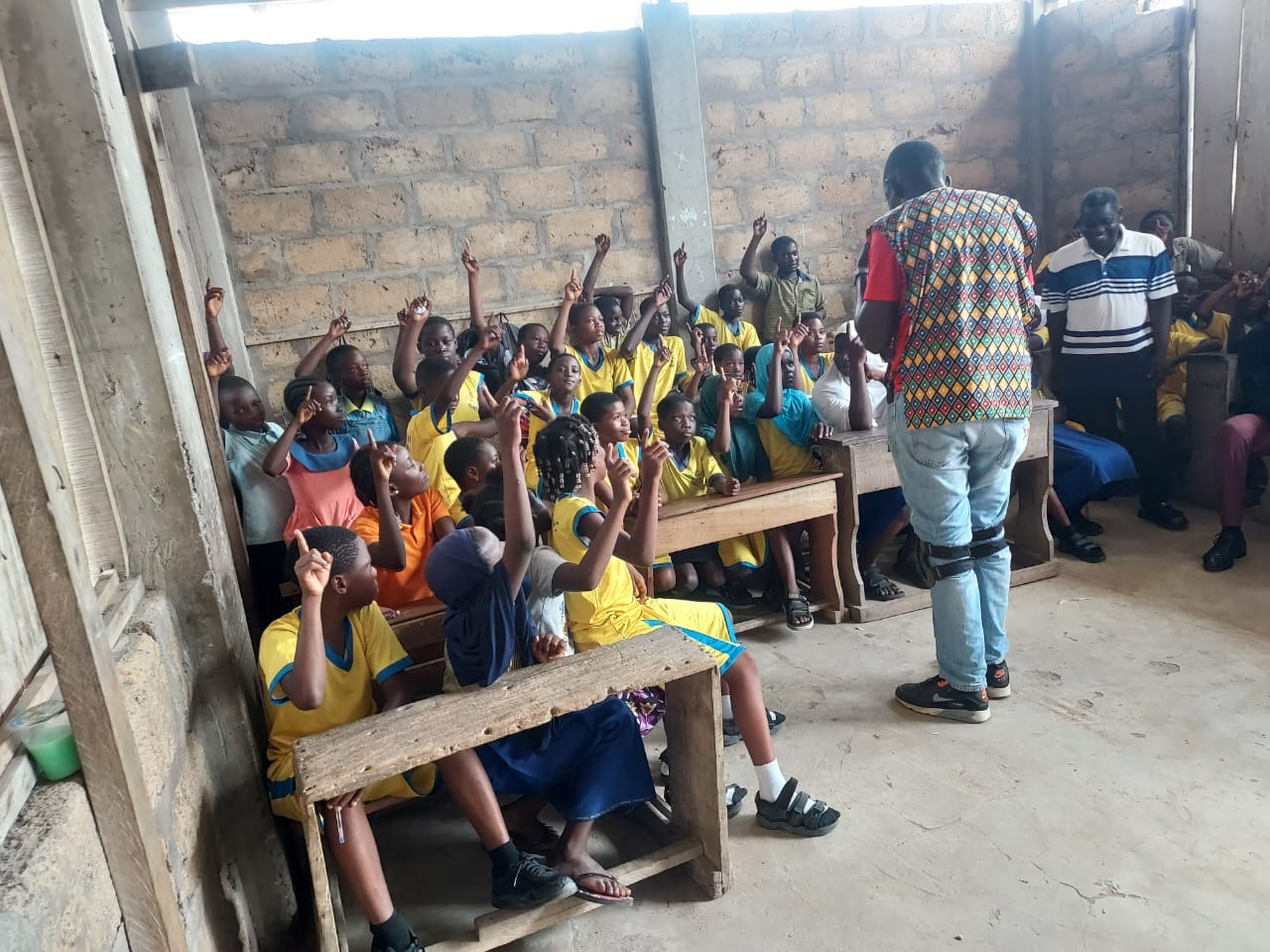
The concerns were highlighted during the 2026 Citizenship Week celebration program organized at Calvary Link School, Krisdan Preparatory School, Blessed Shalom Academy and Jesus’s Child Preparatory School. The initiative sought to equip pupils with practical knowledge and skills to navigate the digital space safely and responsibly.
The educational sessions were facilitated by NCCE staff, Mr. Dan Abonyi Yamoah and Mr. Abraham Amankwah Adjei, with support from Ms. Rita Dzifa Aklinu and Ms. Belinda Anane. The facilitators engaged students on the various forms of online abuse and the steps they should take when confronted with harmful behavior on digital platforms.
Addressing the pupils, the facilitators explained that online abuse can take many forms, including cyberbullying, trolling, intimidation, blackmail, and the sharing of offensive messages, images, and videos. They noted that such experiences can negatively affect the mental and emotional well-being of victims, leading to stress, anxiety, depression, and low self-esteem.
Students were advised to exercise caution when interacting online, particularly with strangers. They were encouraged not to disclose personal information, passwords, or sensitive details and to reject requests for explicit photographs or other inappropriate content.
The facilitators further urged pupils to report abusive messages, threats or suspicious online activities to trusted adults, school authorities or law enforcement agencies. They stressed that early reporting is essential in preventing harm and ensuring accountability.
Emphasizing the need for responsible digital citizenship, the speakers reminded students that their online actions can have real-world consequences. They encouraged participants to think carefully before posting or sharing content, verify information before forwarding it and refrain from engaging in online harassment or spreading misinformation.
The program also exposed students to provisions of Ghana’s 1992 Constitution relating to human dignity, privacy and freedom of expression, while highlighting the responsibilities that accompany these rights in the digital age. Participants were educated on the Cybersecurity Act, 2020 (Act 1038), which provides legal measures for addressing cybercrime, cyberbullying, online harassment and related offences.
The facilitators cautioned that unlawful activities conducted online could attract legal sanctions and urged students to use technology responsibly and ethically.
The interactive sessions allowed students to share their experiences and ask questions about online safety. Organizers expressed optimism that sustained public education campaigns would contribute to creating a safer digital environment for children and promote responsible use of technology among young people.

_
Follow us on our social media pages for more stories and posts from the NCCE.

https://www.instagram.com/nccegh/

https://www.facebook.com/nccegh/
Leave a comment