As digital technology continues to transform communication and social interaction, the National Commission for Civic Education (NCCE), Ada East District Office, has intensified efforts to educate citizens on their constitutional responsibilities in the digital space. As part of this initiative, the Commission engaged members of the Women's Fellowship of The Apostolic Church at Kpodokope on the theme “Upholding Our Constitution in a Digital Age: Our Collective Responsibility.
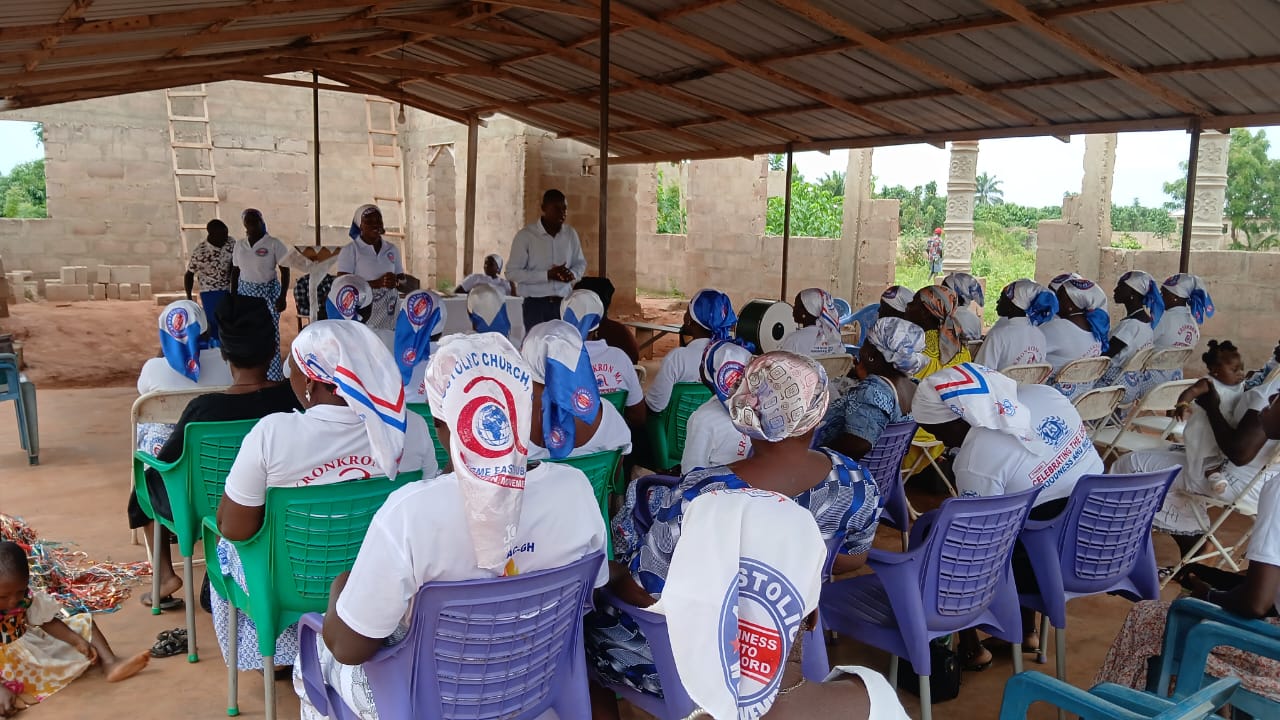
The public education programme, held at the church auditorium in Kpodokope, formed part of the NCCE's ongoing campaign to promote constitutional governance and responsible citizenship. The engagement sought to empower women with knowledge of the Constitution of Ghana and strengthen their role in fostering peace, unity, and democratic values in an increasingly digital society.
Addressing the fellowship, the Programmes Officer highlighted the opportunities presented by digital technology, including improved communication, access to information, education, and social networking. However, participants were also reminded that the digital environment presents several challenges that require responsible conduct and civic vigilance.
The session focused on issues such as fake news, online fraud, cyberbullying, misinformation, and the spread of hate speech, all of which pose threats to social cohesion and democratic governance. Participants were therefore encouraged to use social media and other digital platforms responsibly and in ways that reflect the principles and values enshrined in the Constitution of Ghana.
Furthermore, the resource person emphasized the importance of respecting the rights and freedoms of others online, promoting peaceful discourse, and verifying information before sharing it. Participants were reminded that actions taken in digital spaces can have significant consequences and that citizens must uphold constitutional principles both online and offline.
The engagement also underscored the need for national cohesion, civic responsibility, and active participation in safeguarding Ghana's democratic system. Members were encouraged to remain vigilant against misinformation and divisive content while promoting messages that foster unity, tolerance, and mutual respect.
During the interactive session, participants shared their experiences and concerns regarding the use of social media and digital communication platforms. The discussions provided an opportunity for a deeper understanding of the responsibilities that accompany digital citizenship and reinforced the importance of ethical online behaviour.
Members of the Women's Fellowship expressed appreciation to the NCCE for the timely and insightful programme. They pledged to share the knowledge acquired with their families, fellow church members, and the wider community while promoting responsible conduct on social media and other digital platforms.
The programme concluded with a renewed call for collective action in safeguarding the Constitution and ensuring that digital technology is used as a tool for education, national development, and social progress rather than division and conflict. The NCCE reaffirmed its commitment to empowering citizens with the knowledge and values needed to strengthen Ghana's democracy in the digital age.
_
Follow us on our social media pages for more stories and posts from the NCCE.

https://www.instagram.com/nccegh/

https://www.facebook.com/nccegh/
Leave a comment